Fiction Sequence of Events Resources

92 results
English Language Arts
✕Fiction
✕92 results
Subtopics:
Fiction Sequence of Events Resources
92 results
English Language Arts
✕Fiction
✕92 results























About Fiction Sequence Of Events Resources
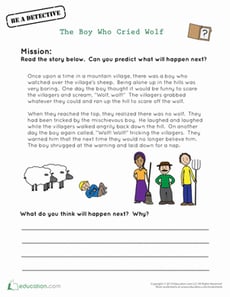
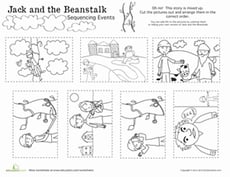
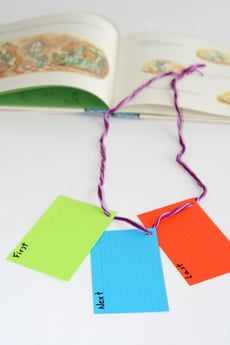
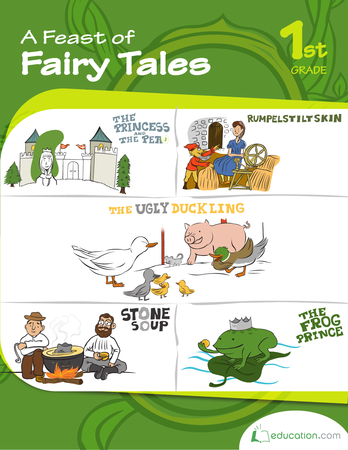
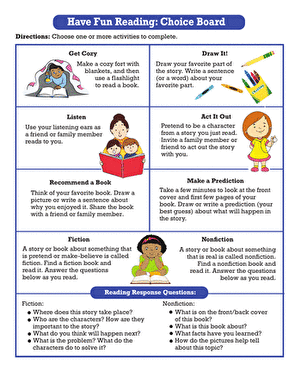
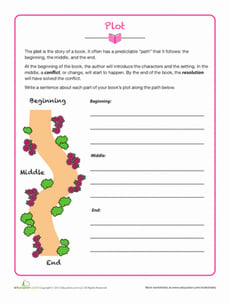
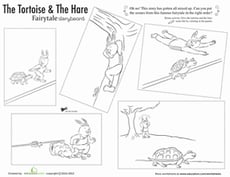
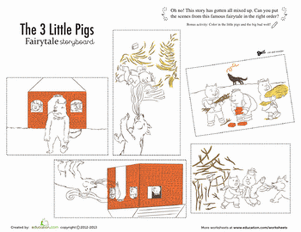
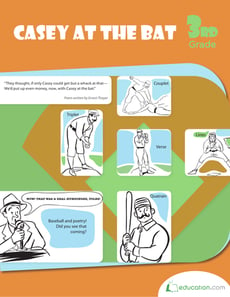
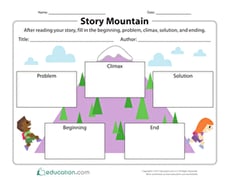
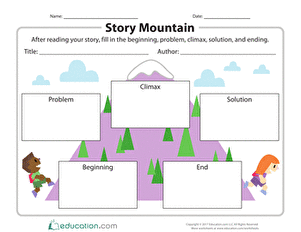
On Education.com, fiction sequence of events resources include worksheets, story maps, and interactive activities designed to help students identify the chronological order of story plots, including the beginning, middle, and end. These materials support comprehension, storytelling, and critical thinking by guiding students through plot elements such as problem and resolution within fictional texts. Educators and parents can access these structured resources to assist learners in understanding story structure and sequencing.
Accessing vocals, graphic organizers, and printable worksheets provides children with multiple ways to recognize and visualize the order of events in fictional narratives. Materials range from practice sequencing worksheets to story progression games that reinforce plot recognition and memory. Using diverse formats encourages engagement and caters to different learning styles while strengthening overall comprehension skills.
Educators and parents can incorporate these sequencing tools into classroom lessons or at-home reading practice. By providing structured activities that promote observation, analysis, and recall,children develop stronger reading skills, storytelling confidence, and a love for fiction. Regular practice with these resources enhances sequencing proficiency and builds a solid foundation for advanced reading comprehension.
Accessing vocals, graphic organizers, and printable worksheets provides children with multiple ways to recognize and visualize the order of events in fictional narratives. Materials range from practice sequencing worksheets to story progression games that reinforce plot recognition and memory. Using diverse formats encourages engagement and caters to different learning styles while strengthening overall comprehension skills.
Educators and parents can incorporate these sequencing tools into classroom lessons or at-home reading practice. By providing structured activities that promote observation, analysis, and recall,children develop stronger reading skills, storytelling confidence, and a love for fiction. Regular practice with these resources enhances sequencing proficiency and builds a solid foundation for advanced reading comprehension.