Fiction Point of View and Perspective Resources

12 results
English Language Arts
✕Fiction
✕12 results
Subtopics:
Fiction Point of View and Perspective Resources
12 results
English Language Arts
✕Fiction
✕12 results












About Fiction Point Of View And Perspective Resources
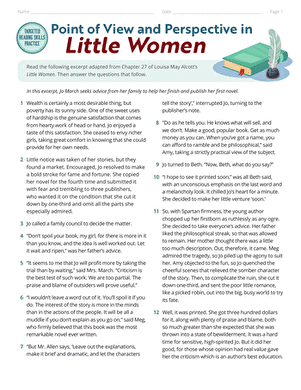
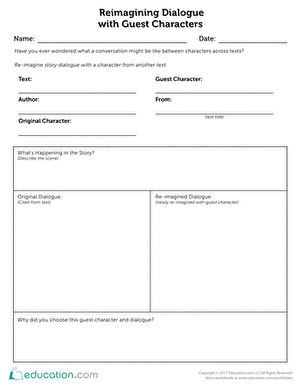
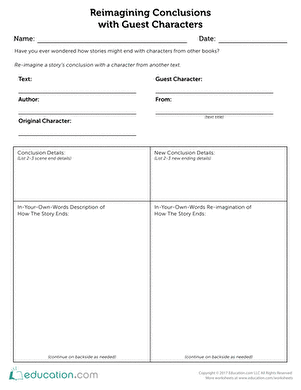
On Education.com, fiction point of view and perspective resources help students and educators understand, analyze, and create stories using first-person, second-person, or third-person storytelling techniques. These materials include worksheets, interactive activities, and lesson plans that explore how different perspectives influence narratives and engage readers.
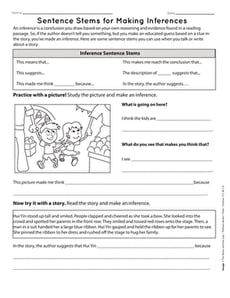
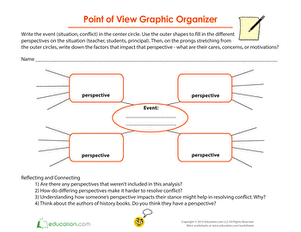
Learning about multiple points of view provides a foundation for storytelling and enhances reading comprehension. Education.com offers diverse resources such as comic strip exercises, guided practice prompts, and character analysis activities that support students in developing awareness of narrative perspective. These tools make it easy to practice and specify story angles effectively.
Educators and parents can leverage this collection to support language arts instruction, creative writing projects, and reading comprehension exercises. Clear and structured materials save time by providing ready-made activities that deepen understanding and encourage thoughtful analysis of when to use each perspective in student writing.
Learning about multiple points of view provides a foundation for storytelling and enhances reading comprehension. Education.com offers diverse resources such as comic strip exercises, guided practice prompts, and character analysis activities that support students in developing awareness of narrative perspective. These tools make it easy to practice and specify story angles effectively.
Educators and parents can leverage this collection to support language arts instruction, creative writing projects, and reading comprehension exercises. Clear and structured materials save time by providing ready-made activities that deepen understanding and encourage thoughtful analysis of when to use each perspective in student writing.