Fall Plants Resources

4 results
Science
✕Fall
✕4 results
Subtopics:
Fall Plants Resources
4 results
Science
✕Fall
✕4 results


About Fall Plants Resources
On Education.com, fall plants resources provide educators and parents with lesson plans, worksheets, and activities focused on planting cool-weather crops, perennials, and hardy shrubs that thrive in the autumn. These materials help students learn about plant cycles, seasonal gardening techniques, and native plants suitable for fall environments. Resources include printables, interactive diagrams, and science experiments that make gardening education accessible and engaging.
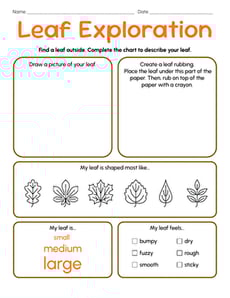
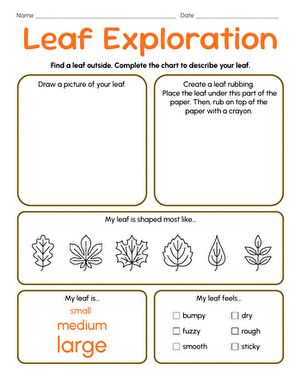
Materials such as worksheets on identifying fall plants, games that teach plant parts, and experiments demonstrating plant growth in cooler temperatures enable practical, hands-on learning. These resources also support lessons on ecosystems, plant biology, and environmental conservation by connecting students with gardening concepts that emphasize native and sustainable planting. The variety of formats makes it easy to incorporate seasonal learning into classroom or home settings.
Educators and parents can use fall plants resources to inspire curiosity, foster hands-on learning, and provide educational experiences that connect gardening with broader science and ecology topics. Planning lessons around planting schedules, plant identification, and seasonal changes engages students in interactive, meaningful learning. By utilizing these materials, learning becomes active and memorable while encouraging appreciation for the natural world.
Materials such as worksheets on identifying fall plants, games that teach plant parts, and experiments demonstrating plant growth in cooler temperatures enable practical, hands-on learning. These resources also support lessons on ecosystems, plant biology, and environmental conservation by connecting students with gardening concepts that emphasize native and sustainable planting. The variety of formats makes it easy to incorporate seasonal learning into classroom or home settings.
Educators and parents can use fall plants resources to inspire curiosity, foster hands-on learning, and provide educational experiences that connect gardening with broader science and ecology topics. Planning lessons around planting schedules, plant identification, and seasonal changes engages students in interactive, meaningful learning. By utilizing these materials, learning becomes active and memorable while encouraging appreciation for the natural world.