Offline Educational Mazes Comparing and Ordering Numbers Within 20 Games

2 results
Math
✕Offline Games
✕Mazes
✕2 results
Offline Educational Mazes Comparing and Ordering Numbers Within 20 Games
2 results
Math
✕Offline Games
✕Mazes
✕2 results
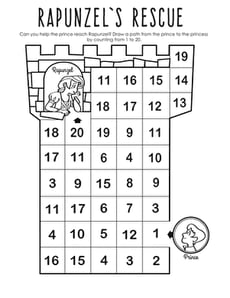


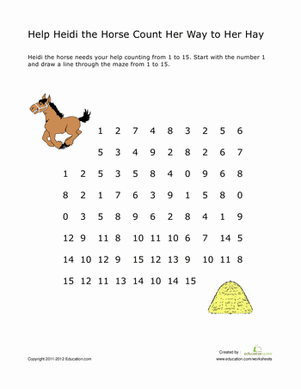
About Offline Educational Mazes Comparing And Ordering Numbers Within 20 Games
On Education.com, this page provides printable comparison and ordering numbers within 20 games designed for young learners to develop essential math skills. These games explore concepts like number sense, sequencing, and basic addition and subtraction through engaging activities. Each activity offers a hands-on opportunity for students to practice sorting and comparing numbers in a fun, interactive way.
Educational resources on this page include structured worksheets, digital simulations, and games that help children master comparing and ordering numbers within 20. These tools support early mathematics learning by reinforcing number sequencing, number recognition, and foundational arithmetic skills. Educators and parents can use these resources to create engaging lessons or reinforce classroom instruction at home.
This collection makes it easy for parents and teachers to provide practical, hands-on learning experiences that strengthen confidence with numbers. Using these ready-to-use worksheets and apps helps save preparation time while offering children repetition and practice in a supportive environment. Students gain confidence in their math abilities through playful, clear, and structured activities that promote self-learning.
Educational resources on this page include structured worksheets, digital simulations, and games that help children master comparing and ordering numbers within 20. These tools support early mathematics learning by reinforcing number sequencing, number recognition, and foundational arithmetic skills. Educators and parents can use these resources to create engaging lessons or reinforce classroom instruction at home.
This collection makes it easy for parents and teachers to provide practical, hands-on learning experiences that strengthen confidence with numbers. Using these ready-to-use worksheets and apps helps save preparation time while offering children repetition and practice in a supportive environment. Students gain confidence in their math abilities through playful, clear, and structured activities that promote self-learning.