Offline Educational Mazes Social Studies Games

3 results
Social Studies
✕Offline Games
✕Mazes
✕3 results
Subtopics:
Offline Educational Mazes Social Studies Games
3 results
Social Studies
✕Offline Games
✕Mazes
✕3 results




About Offline Educational Mazes Social Studies Games
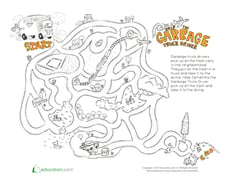
On Education.com, offline educational maze social studies games refer to printable worksheets or interactive puzzles that help students learn geography, history, and cultural concepts while navigating 2D or 3D mazes. These activities often combine problem-solving with social studies topics like landforms, historical landmarks, or community features, making learning engaging and hands-on for students of all ages.
The resources page offers a wide range of printable maze worksheets and game templates that integrate social studies themes, allowing educators and parents to create interactive learning experiences. These materials are designed to reinforce classroom lessons, encourage critical thinking, and make complex concepts accessible through playful exploration. Each worksheet provides structured challenges that guide students through educational pathways while exploring social studies content.
Using these maze social studies activities can save time in lesson planning and homework assignments by providing ready-to-use, educational puzzles. They allow children to apply knowledge in engaging ways while developing spatial awareness and strategic thinking. Educators and parents can adapt these games to suit different age groups, making learning social studies fun, interactive, and memorable.
The resources page offers a wide range of printable maze worksheets and game templates that integrate social studies themes, allowing educators and parents to create interactive learning experiences. These materials are designed to reinforce classroom lessons, encourage critical thinking, and make complex concepts accessible through playful exploration. Each worksheet provides structured challenges that guide students through educational pathways while exploring social studies content.
Using these maze social studies activities can save time in lesson planning and homework assignments by providing ready-to-use, educational puzzles. They allow children to apply knowledge in engaging ways while developing spatial awareness and strategic thinking. Educators and parents can adapt these games to suit different age groups, making learning social studies fun, interactive, and memorable.