Preschool Painting & Drawing Classifying Two-Dimensional Shapes Activities

3 results
Math
✕Pre-K
✕Activities
✕Painting & Drawing
✕3 results
Subtopics:
Preschool Painting & Drawing Classifying Two-Dimensional Shapes Activities
3 results
Math
✕Pre-K
✕Activities
✕Painting & Drawing
✕3 results


About Preschool Painting & Drawing Classifying Two-dimensional Shapes Activities
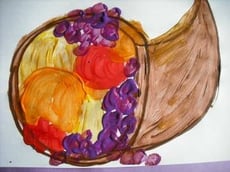
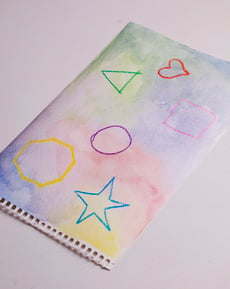
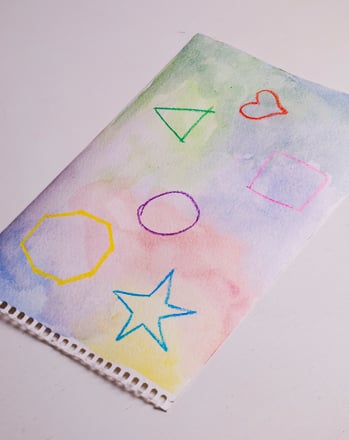
On Education.com, preschool painters learn to recognize and name twoyeone-dimensional shapes through hands-on art activities that feature painting, drawing, and collage-making. These activities help children explore basic geometric concepts while expressing creativity. Samples include creating shape-based pictures, such as suns or homes, and playing shape-sorting games that reinforce recognition of key properties like sides and corners. Educators can use printable worksheets and craft ideas to make learning about shapes engaging and accessible for young learners.
In addition to art activities, Education.com provides resources like shape-themed classroom projects, interactive interactive learning games, and hands-on exercises using playdough and shape stamps. These materials enhance children’s ability to identify and classify geometric figures while connecting artistic expression with spatial awareness. These resources support both structured lessons and creative exploration through engaging, educational activities that emphasize shape recognition and categorization.
Parents and teachers can use these practice ideas to help children apply 2D shape concepts in structured lessons or playful creations. Making shape-collage crafts, building models with sticks, spotting shapes in everyday environments, or creating artwork with mats and shapes offers varied ways to reinforce geometric understanding. By providing accessible, hands-on activities, this set of resources supports early math skills and artistic expression in a fun, engaging way.
In addition to art activities, Education.com provides resources like shape-themed classroom projects, interactive interactive learning games, and hands-on exercises using playdough and shape stamps. These materials enhance children’s ability to identify and classify geometric figures while connecting artistic expression with spatial awareness. These resources support both structured lessons and creative exploration through engaging, educational activities that emphasize shape recognition and categorization.
Parents and teachers can use these practice ideas to help children apply 2D shape concepts in structured lessons or playful creations. Making shape-collage crafts, building models with sticks, spotting shapes in everyday environments, or creating artwork with mats and shapes offers varied ways to reinforce geometric understanding. By providing accessible, hands-on activities, this set of resources supports early math skills and artistic expression in a fun, engaging way.