Kindergarten Common Core Composing Two-Dimensional Shapes Worksheets
Common Core Quick Links:
Common Core Standards for Kindergarten Math, Common Core Standards for Kindergarten ELA
41 results
Math
✕Kindergarten
✕Worksheets
✕Common Core
✕41 results
Kindergarten Common Core Composing Two-Dimensional Shapes Worksheets
Common Core Quick Links:
Common Core Standards for Kindergarten Math, Common Core Standards for Kindergarten ELA41 results
Math
✕Kindergarten
✕Worksheets
✕Common Core
✕41 results
























About Kindergarten Common Core Composing Two-dimensional Shapes Worksheets
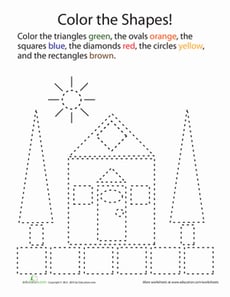
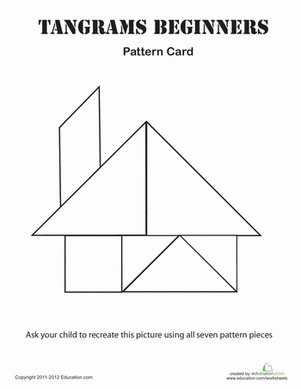
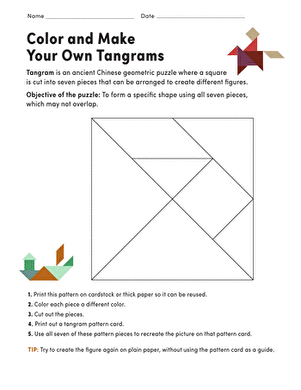
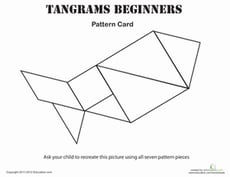
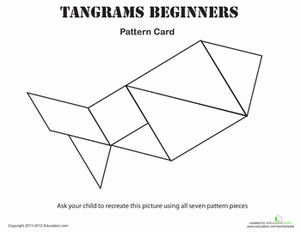
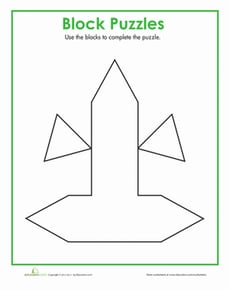
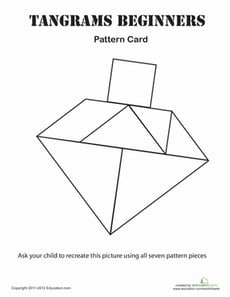
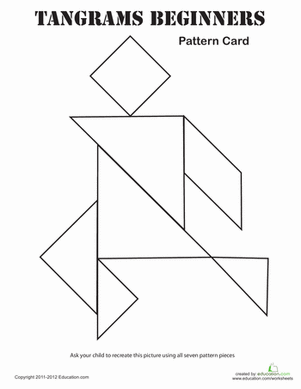
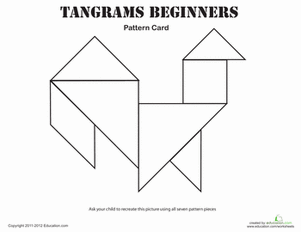
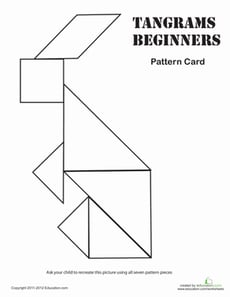
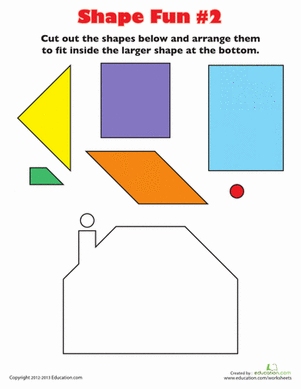
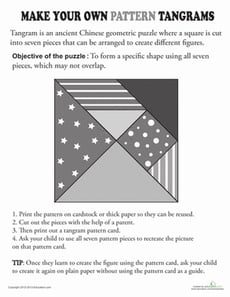
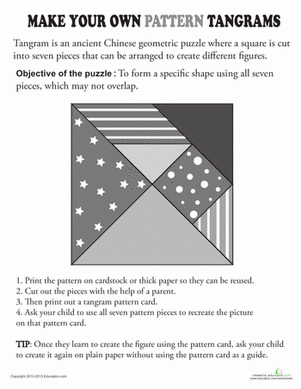
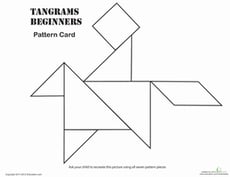
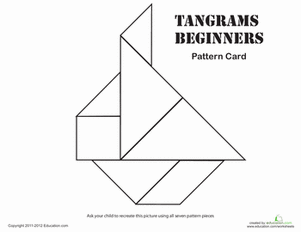
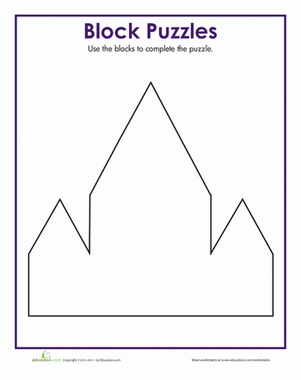
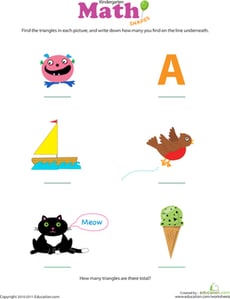
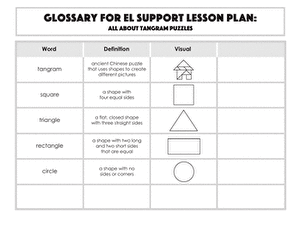
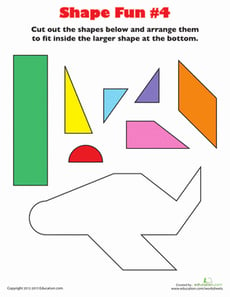
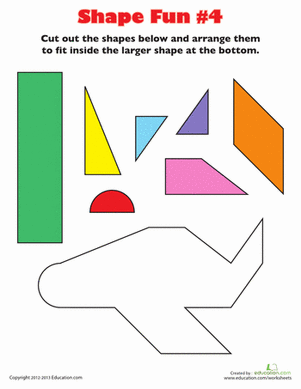
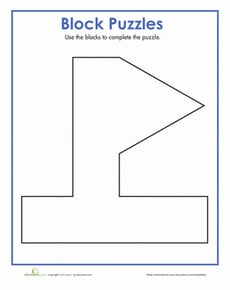
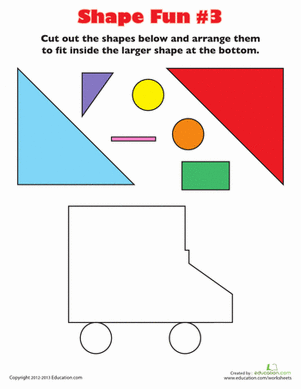
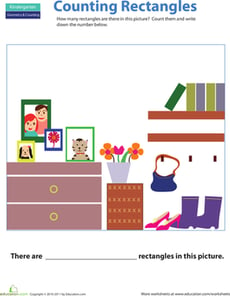
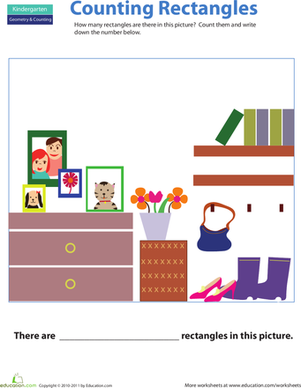
On Education.com, kindergarten students can practice composing two-dimensional shapes through printable worksheets that help build visual-spatial skills and shape recognition. These activities reinforce geometric concepts such as combining basic shapes like circles, squares, triangles, and rectangles to create larger and more complex figures. They align with CCSS.MATH.CONTENT.K.G.B.6 and support foundational geometry learning in early education. Educators and parents can use these worksheets to introduce students to shapes, enhance problem-solving skills, and make abstract concepts hands-on and engaging.
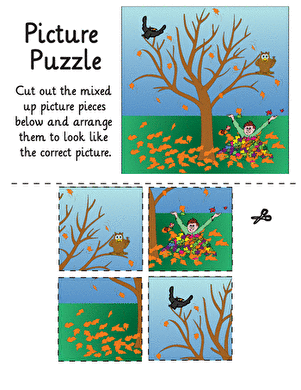
Across Education.com, a variety of educational resources support geometry instruction, including shape puzzles, drawing activities, and pattern block lessons. These materials help young learners explore geometric relationships and develop an intuitive understanding of shapes and spatial reasoning. Each worksheet provides structured exercises tailored to kindergarten-level students, making it easy for educators and parents to incorporate geometry practice into everyday lessons or home learning. These affordability and accessibility make geometric learning approachable and enjoyable for all students.
Educators and parents can apply these worksheets-guided shape composition activities in classroom or at-home settings to strengthen geometric intuition, collaborative problem-solving, and fine motor skills. Consistent practice with visual shapes and spatial puzzles helps young children understand fundamental geometric principles while developing concentration and perseverance. By providing structured and engaging shape activities, this resource offers practical, effective tools to nurture shape recognition and creativity in early learners without overcomplicating instruction.
Across Education.com, a variety of educational resources support geometry instruction, including shape puzzles, drawing activities, and pattern block lessons. These materials help young learners explore geometric relationships and develop an intuitive understanding of shapes and spatial reasoning. Each worksheet provides structured exercises tailored to kindergarten-level students, making it easy for educators and parents to incorporate geometry practice into everyday lessons or home learning. These affordability and accessibility make geometric learning approachable and enjoyable for all students.
Educators and parents can apply these worksheets-guided shape composition activities in classroom or at-home settings to strengthen geometric intuition, collaborative problem-solving, and fine motor skills. Consistent practice with visual shapes and spatial puzzles helps young children understand fundamental geometric principles while developing concentration and perseverance. By providing structured and engaging shape activities, this resource offers practical, effective tools to nurture shape recognition and creativity in early learners without overcomplicating instruction.