Kindergarten Common Core Two-Dimensional Shapes Worksheets
Common Core Quick Links:
Common Core Standards for Kindergarten Math, Common Core Standards for Kindergarten ELA
134 results
Math
✕Kindergarten
✕Worksheets
✕Common Core
✕134 results
Kindergarten Common Core Two-Dimensional Shapes Worksheets
Common Core Quick Links:
Common Core Standards for Kindergarten Math, Common Core Standards for Kindergarten ELA134 results
Math
✕Kindergarten
✕Worksheets
✕Common Core
✕134 results























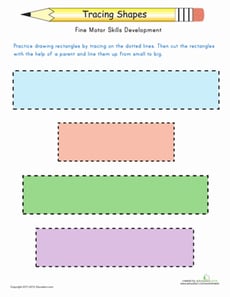
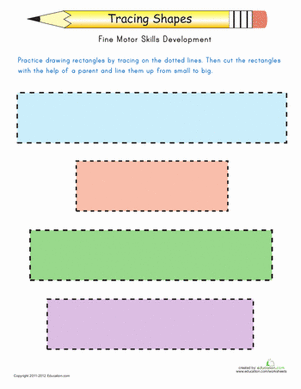
About Kindergarten Common Core Two-dimensional Shapes Worksheets
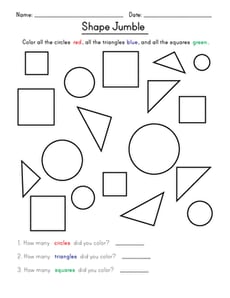
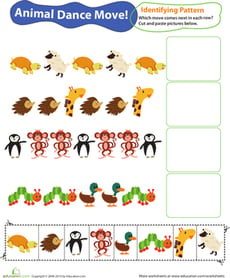
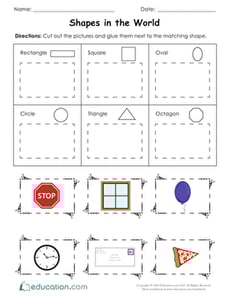
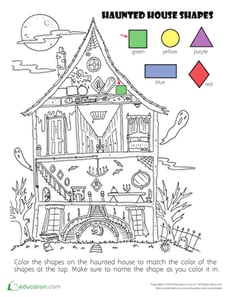
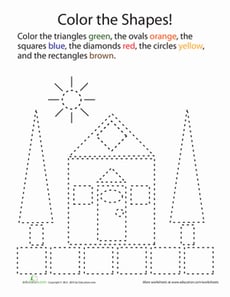
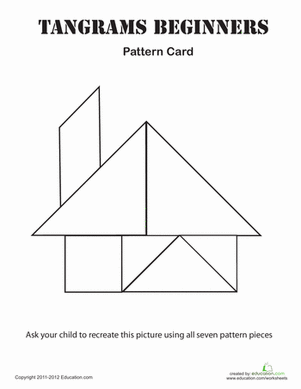
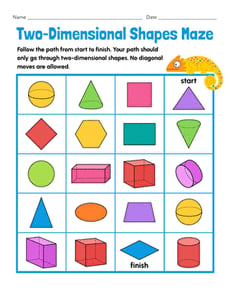
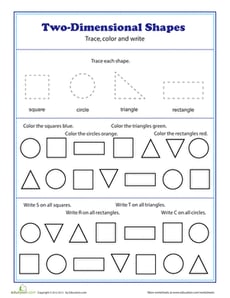
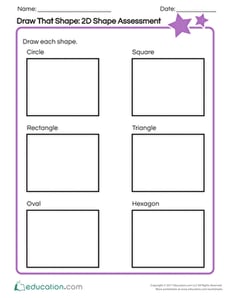
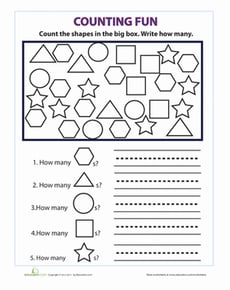
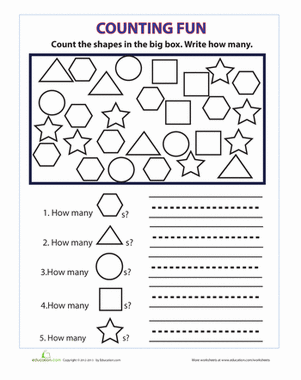
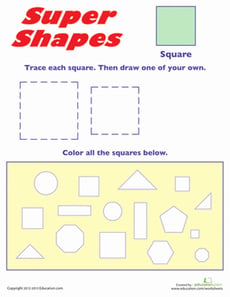
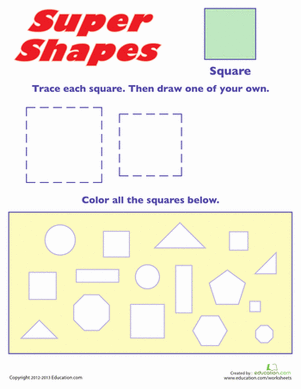
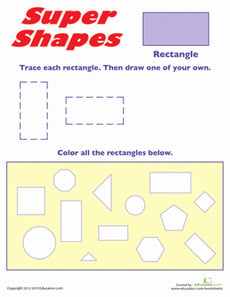
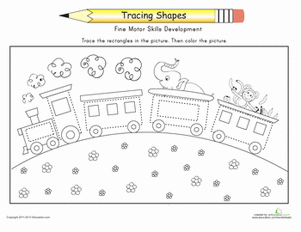
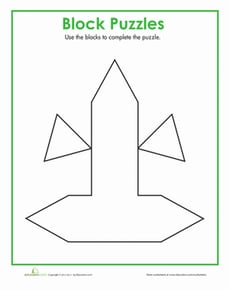
On Education.com, kindergarten common core two-dimensional shapes worksheets provide a variety of activities to help young learners identify, describe, and compare basic flat shapes such as circles, squares, triangles, and rectangles. These printable resources promote foundational geometry skills while offering engaging exercises that support early math education.
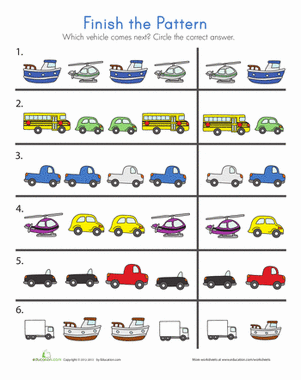
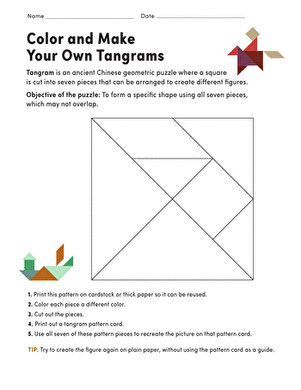
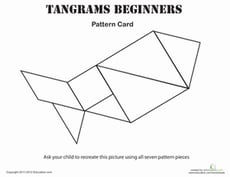
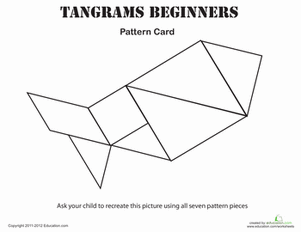
Additionally, Education.com offers digital worksheets, interactive games, and hands-on classroom activities that enhance shape recognition, pattern identification, and sorting skills. These resources provide educators and parents with convenient materials to introduce geometry concepts in fun, accessible ways. Each worksheet aligns with common core standards, making learning structured and performance-focused.
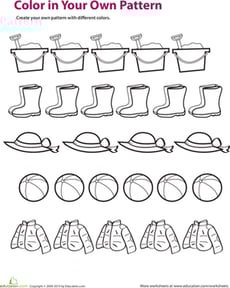
Educators and parents can use these worksheets in the classroom or at home to strengthen students' understanding of shapes. The materials often include drawing, coloring, matching, and comparison exercises that reinforce both shape recognition and vocabulary. Combining visual and tactile learning experiences encourages cognitive development and serves as a practical beginning to geometry education.
Additionally, Education.com offers digital worksheets, interactive games, and hands-on classroom activities that enhance shape recognition, pattern identification, and sorting skills. These resources provide educators and parents with convenient materials to introduce geometry concepts in fun, accessible ways. Each worksheet aligns with common core standards, making learning structured and performance-focused.
Educators and parents can use these worksheets in the classroom or at home to strengthen students' understanding of shapes. The materials often include drawing, coloring, matching, and comparison exercises that reinforce both shape recognition and vocabulary. Combining visual and tactile learning experiences encourages cognitive development and serves as a practical beginning to geometry education.