Kindergarten Common Core Collecting and Organizing Data Resources
Common Core Quick Links:
Common Core Standards for Kindergarten Math, Common Core Standards for Kindergarten ELA
91 results
Math
✕Kindergarten
✕Common Core
✕91 results
Subtopics:
Kindergarten Common Core Collecting and Organizing Data Resources
Common Core Quick Links:
Common Core Standards for Kindergarten Math, Common Core Standards for Kindergarten ELA91 results
Math
✕Kindergarten
✕Common Core
✕91 results


























About Kindergarten Common Core Collecting And Organizing Data Resources
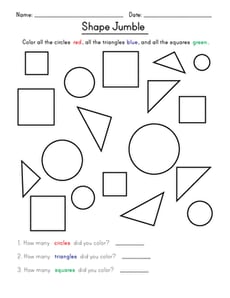
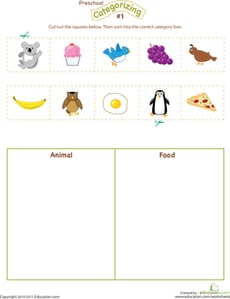
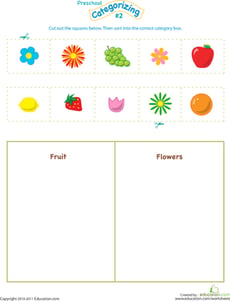
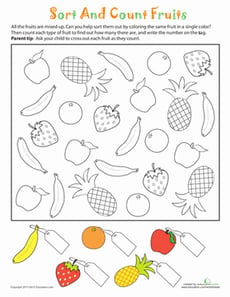
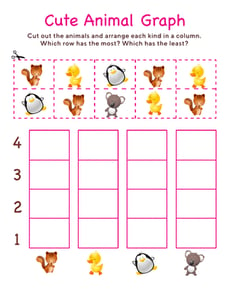
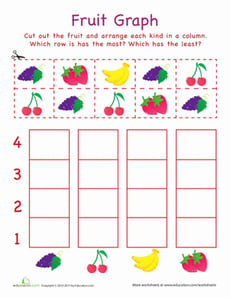
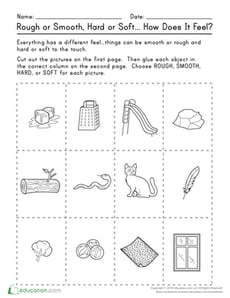
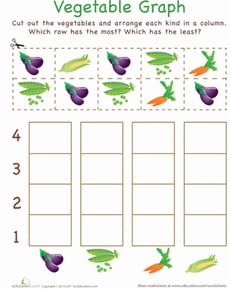
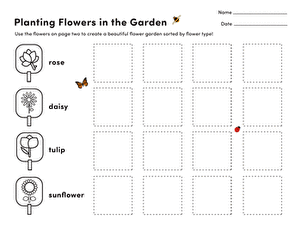
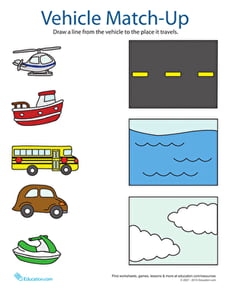
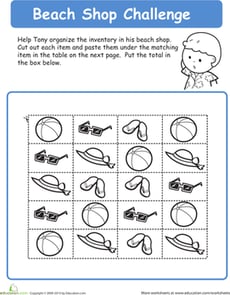
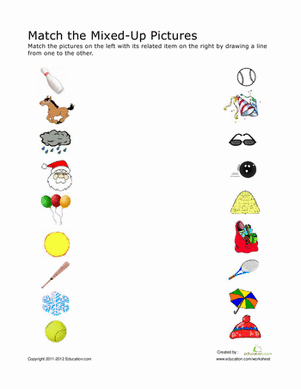
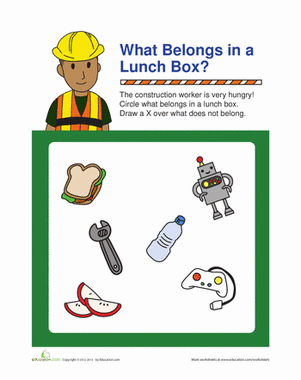
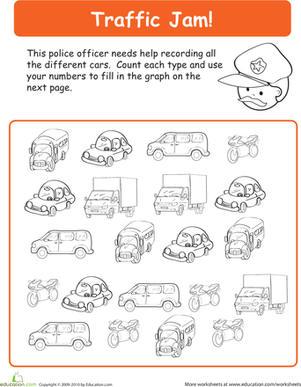
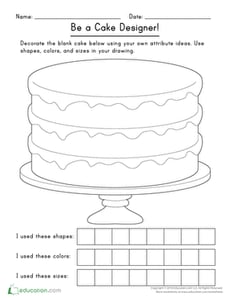
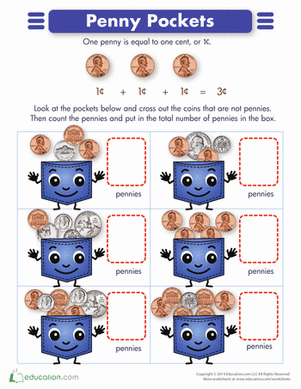
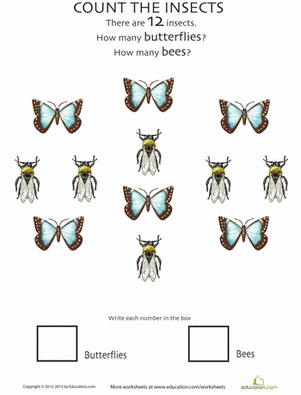
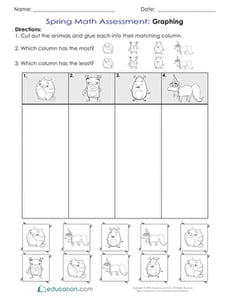
On Education.com, kindergarten students can explore collecting and organizing data through hands-on activities such as sorting objects by shape, color, or category, and using simple tally or picture graphs to track their observations. This provides an engaging way to develop early math skills, including counting and classifying, while connecting to foundational data literacy concepts. Resources include printable sorting worksheets, themed graphing mats, and materials that incorporate real-world objects to make learning meaningful.
Educators and parents can access digital simulations, printable lesson plans, and interactive activities on collecting and organizing data, making it easy to incorporate hit strategies into daily classroom or home learning. These resources support young learners in applying math skills to solve problems, compare categories, and analyze trends over time. The structured approach lays a solid foundation for understanding more complex data concepts in the future.
By using comprehensive worksheets and classroom-ready materials, students practice counting objects, creating graphs, and drawing conclusions from visual data. This sharing of simple data sets helps build confidence and encourages critical thinking. Educators and parents can track progress through interactive exercises on Education.com, providing both structured challenges and open-ended opportunities to observe and strengthen early data analysis abilities.
Educators and parents can access digital simulations, printable lesson plans, and interactive activities on collecting and organizing data, making it easy to incorporate hit strategies into daily classroom or home learning. These resources support young learners in applying math skills to solve problems, compare categories, and analyze trends over time. The structured approach lays a solid foundation for understanding more complex data concepts in the future.
By using comprehensive worksheets and classroom-ready materials, students practice counting objects, creating graphs, and drawing conclusions from visual data. This sharing of simple data sets helps build confidence and encourages critical thinking. Educators and parents can track progress through interactive exercises on Education.com, providing both structured challenges and open-ended opportunities to observe and strengthen early data analysis abilities.