Educational Kindergarten Common Core Classifying Two-Dimensional Shapes Games
Common Core Quick Links:
Common Core Standards for Kindergarten Math, Common Core Standards for Kindergarten ELA
7 results
Math
✕Games
✕Kindergarten
✕Common Core
✕7 results
Educational Kindergarten Common Core Classifying Two-Dimensional Shapes Games
Common Core Quick Links:
Common Core Standards for Kindergarten Math, Common Core Standards for Kindergarten ELA7 results
Math
✕Games
✕Kindergarten
✕Common Core
✕7 results







About Educational Kindergarten Common Core Classifying Two-dimensional Shapes Games
On Education.com, kindergarten teachers and parents can access a variety of resources to help children learn to classify two-dimensional shapes. These include printable worksheets, interactive games, and classroom activities that teach students to recognize and name circles, squares, triangles, and rectangles. These materials are designed to build foundational geometry skills and reinforce attribute recognition through engaging, structured exercises.
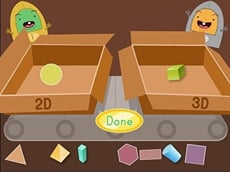
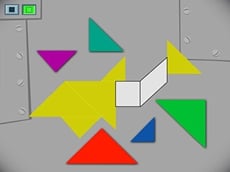
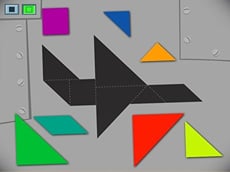
This page gathers digital and offline resources such as Shape Bingo games, online shape sorting exercises, cutout shape activities, and tangram puzzles. These educational tools enhance hands-on learning and provide clear, progressive challenges to strengthen shape recognition, comparison, and categorization skills in young learners. By using popular classroom and at-home activities, children can practice identifying shapes by sides, corners, and other properties while having fun.
Using these shape classification exercises at home or in the classroom helps children develop critical visual-spatial and problem-solving abilities and prepares them for more advanced math concepts. Educators and parents can quickly access ready-made lesson plans and guided activities that integrate shape recognition practice with supporting skills like counting and pattern recognition. By providing structured, engaging exercises, Education.com makes it easier to monitor student progress and ensure foundational geometry mastery.
This page gathers digital and offline resources such as Shape Bingo games, online shape sorting exercises, cutout shape activities, and tangram puzzles. These educational tools enhance hands-on learning and provide clear, progressive challenges to strengthen shape recognition, comparison, and categorization skills in young learners. By using popular classroom and at-home activities, children can practice identifying shapes by sides, corners, and other properties while having fun.
Using these shape classification exercises at home or in the classroom helps children develop critical visual-spatial and problem-solving abilities and prepares them for more advanced math concepts. Educators and parents can quickly access ready-made lesson plans and guided activities that integrate shape recognition practice with supporting skills like counting and pattern recognition. By providing structured, engaging exercises, Education.com makes it easier to monitor student progress and ensure foundational geometry mastery.