Kindergarten Fall Common Core Comparing Length Activities
Common Core Quick Links:
Common Core Standards for Kindergarten Math, Common Core Standards for Kindergarten ELA
1 result
Math
✕Kindergarten
✕Activities
✕Common Core
✕Fall
✕1 result
Subtopics:
Kindergarten Fall Common Core Comparing Length Activities
Common Core Quick Links:
Common Core Standards for Kindergarten Math, Common Core Standards for Kindergarten ELA1 result
Math
✕Kindergarten
✕Activities
✕Common Core
✕Fall
✕1 result
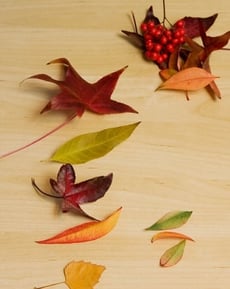

About Kindergarten Fall Common Core Comparing Length Activities
On Education.com, parents and teachers can explore a variety of resources designed to help students practice comparing lengths using hands-on methods such as measuring classroom objects, creating lists of longer or shorter items, or using visual strategies like blocks or string to compare features like height or width. These materials support learners in building foundational measurement skills aligned with the Common Core (K.MD.A.2), encouraging practical, real-world thinking about size and difference. Through engaging activities, children develop both mathematical vocabulary and critical thinking abilities.
Accessing educator-ready worksheets and printable activities on Education.com offers a structured way to introduce key measurement concepts to kindergarten students. These resources include exercises like creating acorn or leaf chains to compare lengths, observing the relative sizes of classroom objects, or arranging materials from shortest to longest. Every activity provides clear guidance, visual aids, and companion suggestions that make learning accessible and enjoyable for young learners.
Parents and teachers can use these comparison length activities to reinforce classroom lessons, facilitate partner work, and see measurable progress as children develop confidence in measuring and analyzing size. Incorporating these practical exercises into daily routines or thematic lessons provides diverse, flexible ways to strengthen early math skills while encouraging observation, conversation, and collaboration.
Accessing educator-ready worksheets and printable activities on Education.com offers a structured way to introduce key measurement concepts to kindergarten students. These resources include exercises like creating acorn or leaf chains to compare lengths, observing the relative sizes of classroom objects, or arranging materials from shortest to longest. Every activity provides clear guidance, visual aids, and companion suggestions that make learning accessible and enjoyable for young learners.
Parents and teachers can use these comparison length activities to reinforce classroom lessons, facilitate partner work, and see measurable progress as children develop confidence in measuring and analyzing size. Incorporating these practical exercises into daily routines or thematic lessons provides diverse, flexible ways to strengthen early math skills while encouraging observation, conversation, and collaboration.