Kindergarten Fall Comparing Length Activities

1 result
Math
✕Kindergarten
✕Activities
✕Fall
✕1 result
Subtopics:
Kindergarten Fall Comparing Length Activities
1 result
Math
✕Kindergarten
✕Activities
✕Fall
✕1 result

About Kindergarten Fall Comparing Length Activities
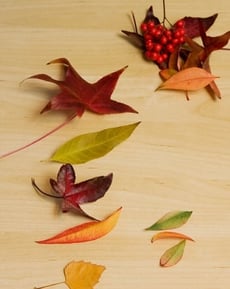
On Education.com, kindergarten fall comparing length activities provide hands-on learning experiences that help young children understand how to compare objects by length using materials like leaves, pumpkins, and other autumn-themed objects. These activities teach students to distinguish between longer, shorter, or taller objects and use non-standard units such as string or blocks to make measurements engaging and concrete. Using practical, seasonal fun ensures that children can connect math concepts to real-world examples while fostering curiosity and observation skills.
Explore Education.com’s worksheets, printable activities, and lesson plans that support developing matching, measuring, and comparing skills in a fun autumn context. Activities include nature walks to compare leaf lengths, art projects with pumpkin-height measurements, and classroom games that reinforce key vocabulary and measurement skills. Covering different measurement lengths and incorporating native elements, these resources make learning math concepts engaging and accessible for kindergarten students.
Educators and parents can use these examples to create structured lessons or interactive activities that strengthen measurement understanding through playful, sensory experiences. Classroom-ready worksheets and step-by-step guides make it easy to integrate manageable measurement activities into daily lessons. This approach not only enhances mathematical literacy but also encourages problem-solving and critical thinking in young learners.
Explore Education.com’s worksheets, printable activities, and lesson plans that support developing matching, measuring, and comparing skills in a fun autumn context. Activities include nature walks to compare leaf lengths, art projects with pumpkin-height measurements, and classroom games that reinforce key vocabulary and measurement skills. Covering different measurement lengths and incorporating native elements, these resources make learning math concepts engaging and accessible for kindergarten students.
Educators and parents can use these examples to create structured lessons or interactive activities that strengthen measurement understanding through playful, sensory experiences. Classroom-ready worksheets and step-by-step guides make it easy to integrate manageable measurement activities into daily lessons. This approach not only enhances mathematical literacy but also encourages problem-solving and critical thinking in young learners.