Kindergarten Common Core Comparing Length Activities
Common Core Quick Links:
Common Core Standards for Kindergarten Math, Common Core Standards for Kindergarten ELA
1 result
Math
✕Kindergarten
✕Activities
✕Common Core
✕1 result
Kindergarten Common Core Comparing Length Activities
Common Core Quick Links:
Common Core Standards for Kindergarten Math, Common Core Standards for Kindergarten ELA1 result
Math
✕Kindergarten
✕Activities
✕Common Core
✕1 result
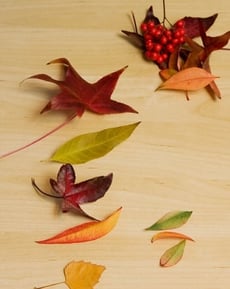

About Kindergarten Common Core Comparing Length Activities
On Education.com, comparing length activities for kindergarten help students develop measurement skills and understand how to compare objects based on size. These activities often include hands-on classroom exercises, including scavenger hunts, using non-standard units, and exploring everyday objects such as pencils, blocks, or toys. Students learn to describe objects as 'longer,' 'shorter,' or 'taller,' aligning with standards K.MD.A.1 and 1.MD.A.1.
This site offers printable worksheets, lesson plans, and interactive classroom activities that support early measurement learning. Educators and parents can access structured materials that promote practical exploration while reinforcing distance and size concepts. These resources make measurement practice engaging and tactile-supplemented, helping children connect mathematical ideas to real-world experiences.
By using these materials, teachers and parents can efficiently guide young students in comparing object lengths. They streamline instruction, facilitate hands-on learning, and enhance understanding through visual and physical activities. Educational resources also include exercises that let children practice sequencing, descriptive language, and basic measurement concepts in fun, meaningful ways.
This site offers printable worksheets, lesson plans, and interactive classroom activities that support early measurement learning. Educators and parents can access structured materials that promote practical exploration while reinforcing distance and size concepts. These resources make measurement practice engaging and tactile-supplemented, helping children connect mathematical ideas to real-world experiences.
By using these materials, teachers and parents can efficiently guide young students in comparing object lengths. They streamline instruction, facilitate hands-on learning, and enhance understanding through visual and physical activities. Educational resources also include exercises that let children practice sequencing, descriptive language, and basic measurement concepts in fun, meaningful ways.