8th Grade Fiction Analyze Characters Resources

1 result
English Language Arts
✕8th Grade
✕Fiction
✕1 result
8th Grade Fiction Analyze Characters Resources
1 result
English Language Arts
✕8th Grade
✕Fiction
✕1 result

About 8th Grade Fiction Analyze Characters Resources
On Education.com, students and educators can access lesson plans, worksheets, and activities focused on analyzing characters in 8th-grade fiction. These resources help learners delve into character traits, motivations, relationships, and development using structured tools like graphic organizers and analysis charts. Proper resources support the exploration of literature and strengthen skills for understanding complex characters in novels and short stories.
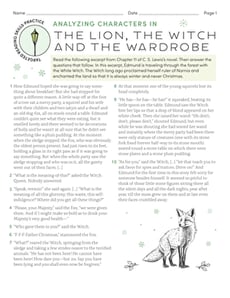
To analyze characters in 8th-grade fiction, worksheets and printable activities offer guided prompts and exercises. These materials provide structured tools like the STEAL (Speech, Thoughts, Effect on others, Actions, Looks) method, helping students identify character traits from dialogue, actions, and descriptions. Educators can enrichment with graphic organizers, comprehension guides, and classroom activities that promote critical thinking and textual evidence-backing.
Using these resources in classroom or home learning environments saves time by providing ready-made materials for discovering character nuances. Interactive worksheets and digital activities encourage engaging analysis, while structured guides support consistent practice. Building these skills enhances reading comprehension and prepares students for more advanced literary critique.
To analyze characters in 8th-grade fiction, worksheets and printable activities offer guided prompts and exercises. These materials provide structured tools like the STEAL (Speech, Thoughts, Effect on others, Actions, Looks) method, helping students identify character traits from dialogue, actions, and descriptions. Educators can enrichment with graphic organizers, comprehension guides, and classroom activities that promote critical thinking and textual evidence-backing.
Using these resources in classroom or home learning environments saves time by providing ready-made materials for discovering character nuances. Interactive worksheets and digital activities encourage engaging analysis, while structured guides support consistent practice. Building these skills enhances reading comprehension and prepares students for more advanced literary critique.