1st Grade Fiction Analyze Characters Resources

15 results
English Language Arts
✕1st Grade
✕Fiction
✕15 results
1st Grade Fiction Analyze Characters Resources
15 results
English Language Arts
✕1st Grade
✕Fiction
✕15 results













About 1st Grade Fiction Analyze Characters Resources
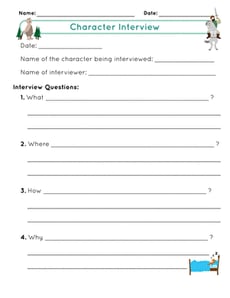
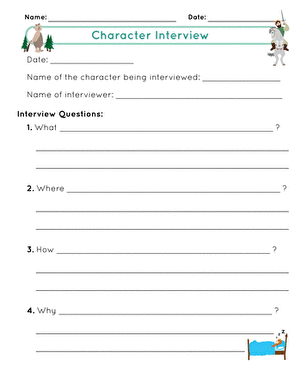
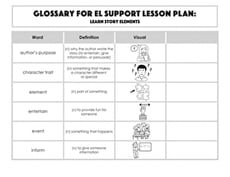
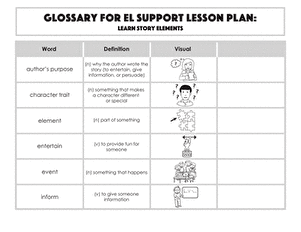
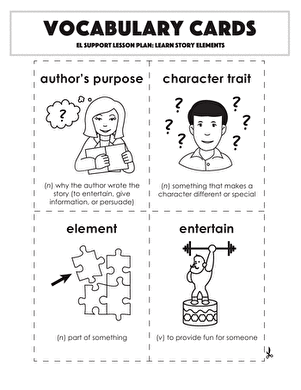
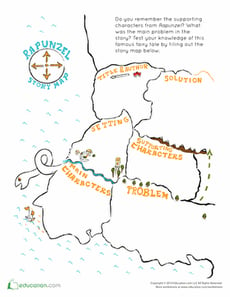
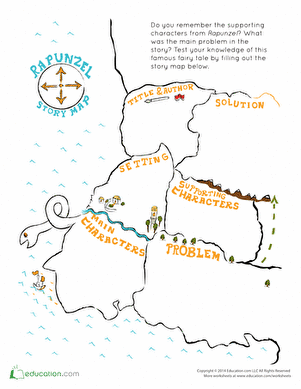
On Education.com, students explore first-grade fiction and analyze characters with age-appropriate worksheets, story templates, and classroom materials. These resources help young readers understand character traits, motivations, and feelings by focusing on what characters say, do, think, and how they behave. Educators and parents can access printable activities that provide structured guidance for making connections in stories and developing comprehension skills. Materials include reading charts, sentence starters, and story analysis prompts to support early literacy.
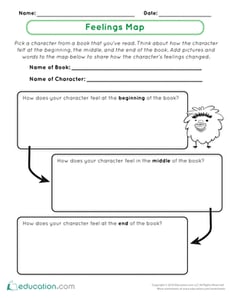
Discussing first-grade fiction character analysis on Education.com includes learning tools like workbooks and classroom exercises that encourage students to identify traits, feelings, and actions of characters from familiar stories. Popular anchor texts such as 'The Lost Toy' or 'Frog and Toad' help children connect traits to behaviors through visual graphic organizers and sentiment worksheets. These accessible resources support foundational reading comprehension and help students learn opinion writing based on text evidence.
Using first-grade materials on Education.com, teachers and parents can create engaging lessons that guide children to describe characters, relate them to personal experiences, and practice analyzing feelings and actions. Printable activities like sentence starters and graphic organizers help build vocabulary, critical thinking, and storytelling skills. By providing clear, concrete strategies, these resources make early literature studies fun, accessible, and educational.
Discussing first-grade fiction character analysis on Education.com includes learning tools like workbooks and classroom exercises that encourage students to identify traits, feelings, and actions of characters from familiar stories. Popular anchor texts such as 'The Lost Toy' or 'Frog and Toad' help children connect traits to behaviors through visual graphic organizers and sentiment worksheets. These accessible resources support foundational reading comprehension and help students learn opinion writing based on text evidence.
Using first-grade materials on Education.com, teachers and parents can create engaging lessons that guide children to describe characters, relate them to personal experiences, and practice analyzing feelings and actions. Printable activities like sentence starters and graphic organizers help build vocabulary, critical thinking, and storytelling skills. By providing clear, concrete strategies, these resources make early literature studies fun, accessible, and educational.