Educational 2nd Grade Antonyms Games

1 result
English Language Arts
✕2nd Grade
✕Games
✕1 result
Educational 2nd Grade Antonyms Games
1 result
English Language Arts
✕2nd Grade
✕Games
✕1 result

About Educational 2nd Grade Antonyms Games
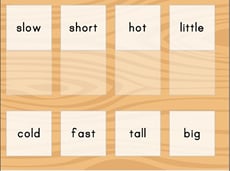
On Education.com, educational 2nd grade antonyms games help young students expand their vocabulary and understand contrasting words through interactive fun. These digital activities include matching worksheets, printable flashcards, and engaging classroom games that reinforce learning. With a variety of exercises, students can practice identifying pairs of opposite words in lively, hands-on formats that make learning enjoyable.
Students and parents can explore on Education.com a wide range of materials like printable games, interactive online activities, and classroom lesson plans designed to teach antonyms. These resources provide structured opportunities for kids to practice language skills, connect words in meaningful ways, and build confidence in speaking and writing. Structured exercises might include memory match games or word pair challenges that support age-appropriate learning.
In a realistic teaching or home environment, educators and parents can guide children through fun label-matching papers, utilize interactive computer-based exercises, or participate in classroom group activities to reinforce antonym recognition. These engaging formats not only promote language development but also make grammar practice exciting and accessible. By incorporating exercises like Bingo or card games, learners gain confidence while strengthening reading and comprehension skills.
Students and parents can explore on Education.com a wide range of materials like printable games, interactive online activities, and classroom lesson plans designed to teach antonyms. These resources provide structured opportunities for kids to practice language skills, connect words in meaningful ways, and build confidence in speaking and writing. Structured exercises might include memory match games or word pair challenges that support age-appropriate learning.
In a realistic teaching or home environment, educators and parents can guide children through fun label-matching papers, utilize interactive computer-based exercises, or participate in classroom group activities to reinforce antonym recognition. These engaging formats not only promote language development but also make grammar practice exciting and accessible. By incorporating exercises like Bingo or card games, learners gain confidence while strengthening reading and comprehension skills.