Educational 1st Grade Antonyms Games

2 results
English Language Arts
✕Games
✕1st Grade
✕2 results
Subtopics:
Educational 1st Grade Antonyms Games
2 results
English Language Arts
✕Games
✕1st Grade
✕2 results


About Educational 1st Grade Antonyms Games
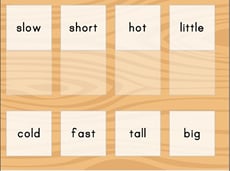
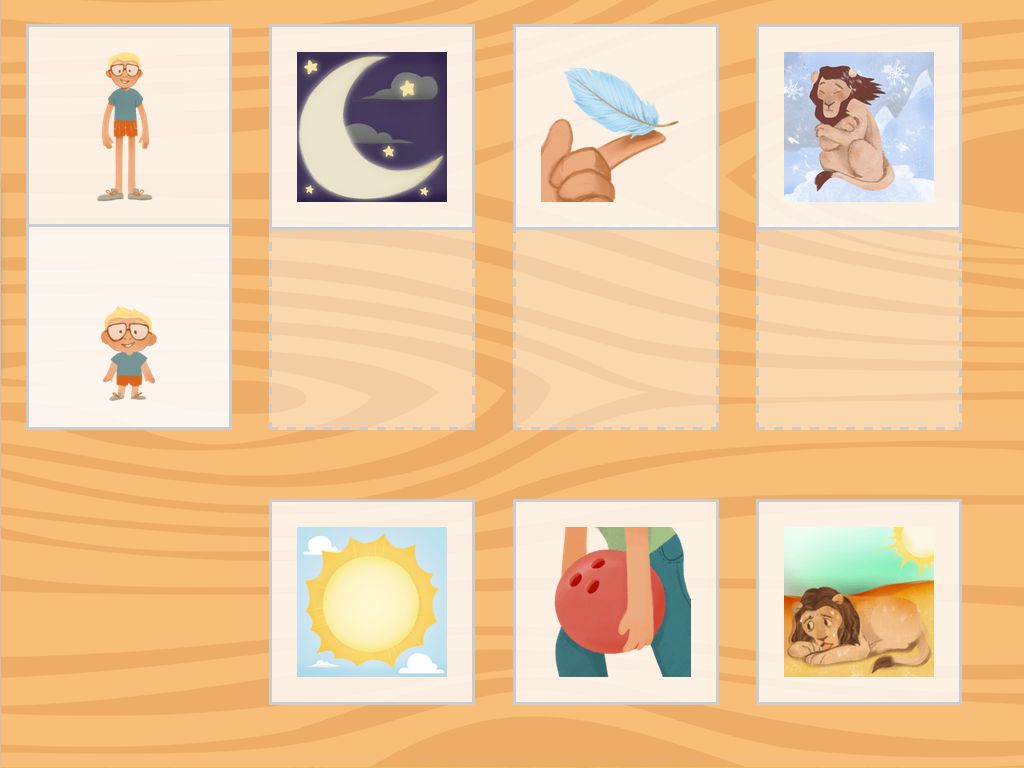
On Education.com, learning 1st grade antonyms through interactive games like Antonym Slam, Memory Match, and digital activities provides a fun and engaging way to expand vocabulary. These games help young students recognize and understand opposite words while practicing memory, matching, and quick thinking. By integrating active play with language learning, children develop essential literacy skills in an enjoyable format.
Educators and parents can explore printable worksheets, online games, and classroom activities on Education.com to make learning antonyms accessible and hands-on. Structured exercises, whiteboard activities, and interactive lessons support early reading and language mastery. Using a variety of resources, children gain confidence in identifying and using antonyms in reading and speech.
Applying classroom-based or remote learning lessons using such games and worksheets saves time for educators and keeps children actively involved. Digital resources allow teachers to track progress, reinforce lessons, and encourage collaborative play. Parents can support learning at home with materials designed to strengthen vocabulary understanding while making education enjoyable.
Educators and parents can explore printable worksheets, online games, and classroom activities on Education.com to make learning antonyms accessible and hands-on. Structured exercises, whiteboard activities, and interactive lessons support early reading and language mastery. Using a variety of resources, children gain confidence in identifying and using antonyms in reading and speech.
Applying classroom-based or remote learning lessons using such games and worksheets saves time for educators and keeps children actively involved. Digital resources allow teachers to track progress, reinforce lessons, and encourage collaborative play. Parents can support learning at home with materials designed to strengthen vocabulary understanding while making education enjoyable.