Educational 2nd Grade Connotations and Shades of Meaning Games

1 result
English Language Arts
✕Games
✕2nd Grade
✕1 result
Educational 2nd Grade Connotations and Shades of Meaning Games
1 result
English Language Arts
✕Games
✕2nd Grade
✕1 result

About Educational 2nd Grade Connotations And Shades Of Meaning Games
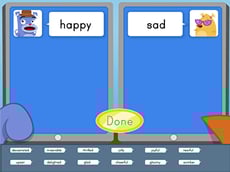
On Education.com, students can practice understanding the nuance of language through printable worksheets, interactive games, and lesson plans focused on 2nd grade connotations and shades of meaning. These activities help children learn how words with similar meanings can convey different emotions or intensity, such as ‘happy,’ ‘glad,’ or ‘ecstatic,’ enabling more precise writing and reading comprehension.
This page provides a variety of educational resources, including color-coded word displays, digital simulations, and engaging classroom or at-home activities that support expanding students’ vocabulary. Each activity encourages children to recognize subtle differences between words and choose the most appropriate for different contexts. Educators and parents can access ready-to-use materials that make learning about shades of meaning engaging and accessible.
Using these resources, students can improve their language skills by analyzing synonyms, exploring connotative differences, and applying this knowledge to reading and writing exercises. Teachers and parents can track progress while providing structured, interactive lessons that make completing language-arts objectives both educational and enjoyable.
This page provides a variety of educational resources, including color-coded word displays, digital simulations, and engaging classroom or at-home activities that support expanding students’ vocabulary. Each activity encourages children to recognize subtle differences between words and choose the most appropriate for different contexts. Educators and parents can access ready-to-use materials that make learning about shades of meaning engaging and accessible.
Using these resources, students can improve their language skills by analyzing synonyms, exploring connotative differences, and applying this knowledge to reading and writing exercises. Teachers and parents can track progress while providing structured, interactive lessons that make completing language-arts objectives both educational and enjoyable.