Common Core Point of View and Perspective Resources
Common Core Quick Links:
Common Core State Standards
49 results
English Language Arts
✕Common Core
✕49 results
Subtopics:
- Analyze Characters
- Author's Purpose
- Cause and Effect
- Compare and Contrast
- Comprehension Questions
- Fact and Opinion
- Main Idea
- Make Connections
- Make Inferences
- Make Predictions
- Point of View and Perspective✕
- Problem and Solution
- Sequence of Events
- Story Elements
- Summarize and Retell
- Text Features
- Text Structure
- Theme
- Word Choice
Common Core Point of View and Perspective Resources
Common Core Quick Links:
Common Core State Standards49 results
English Language Arts
✕Common Core
✕49 results






















About Common Core Point Of View And Perspective Resources
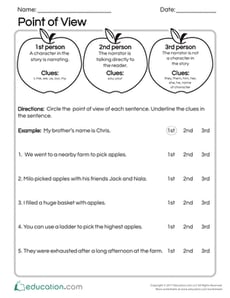
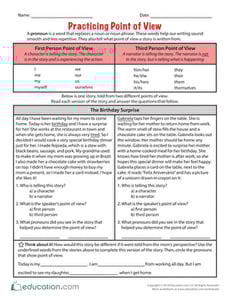
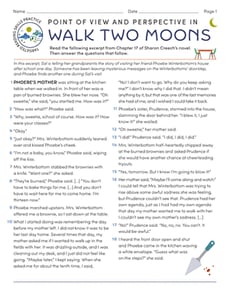
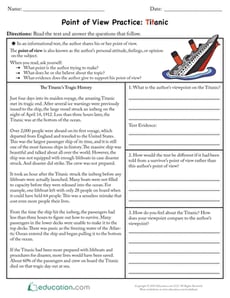
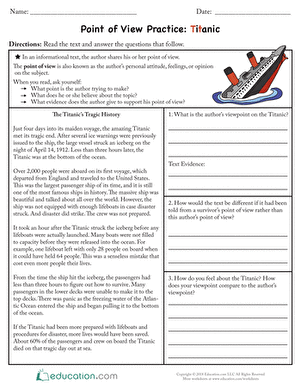
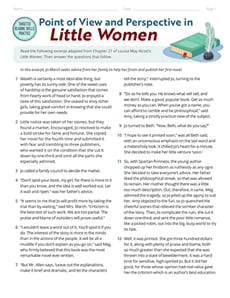
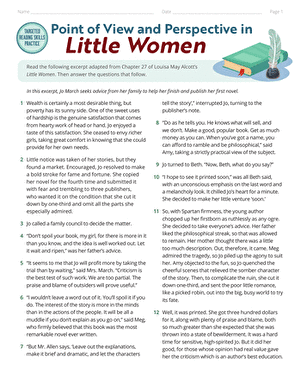
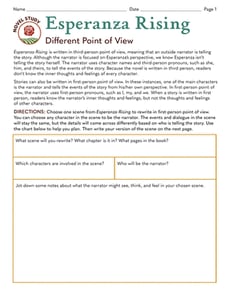
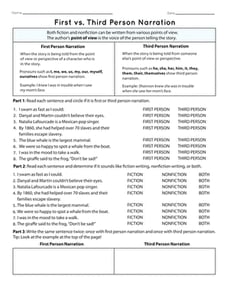
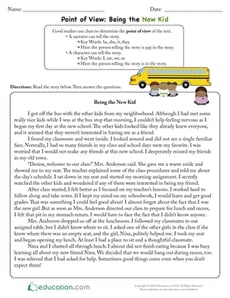
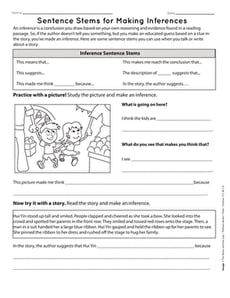
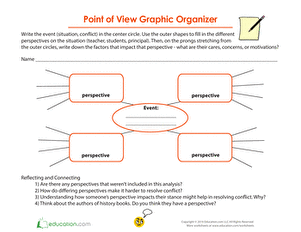
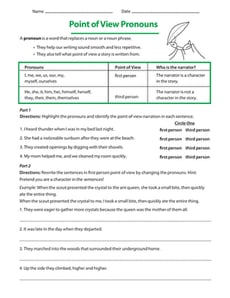
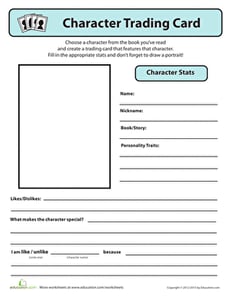
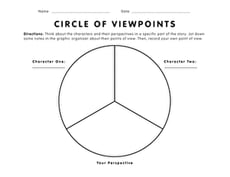
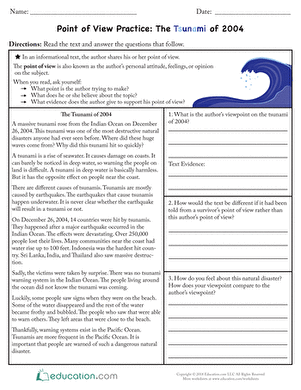
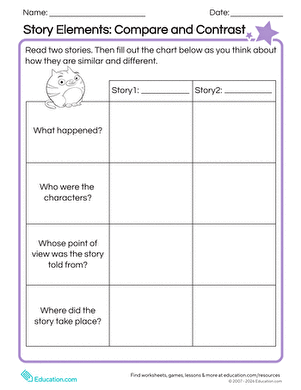
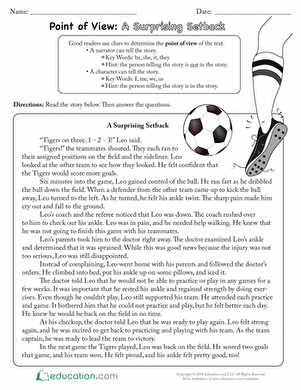
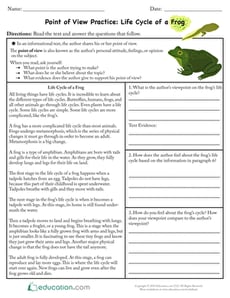
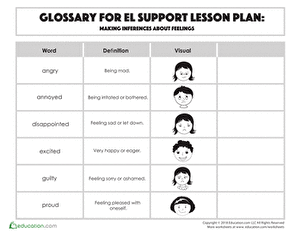
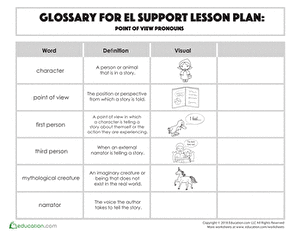
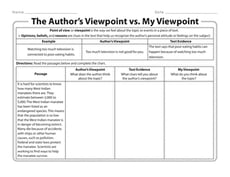
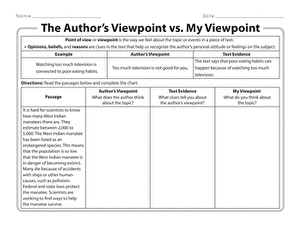
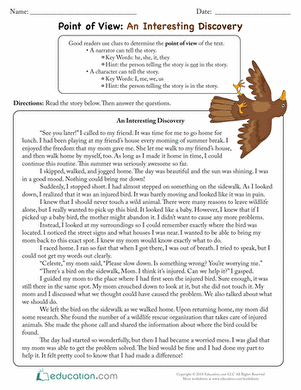
On Education.com, users can explore a variety of resources focused on teaching point of view and perspective, which emphasize identifying first, second, and third-person narration. These materials include worksheets, teacher guides, and classroom activities that help students analyze how different perspectives shape stories and texts. By using these resources, educators and parents can provide structured learning experiences that enhance reading comprehension and narrative writing skills.
The site offers kits of lesson plans, interactive exercises, and printable materials that present real-world examples, such as identifying the narrator in a story or comparing multiple points of view. This allows students to practice critical analysis, understand text nuances, and develop stronger perspective-taking abilities. Educators can save time by accessing ready-made activities that reinforce core literacy concepts together.
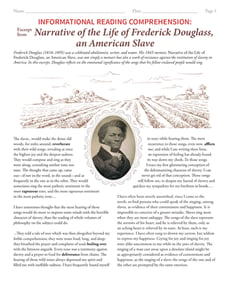
With these targeted resources, parents and teachers can support young learners in connecting literature to concepts like authorship, character development, and storytelling techniques. Scaffolding lessons with clear discussions about how perspective influences meaning helps strengthen both reading comprehension and writing performance. The collection also provides tools for analyzing informational texts, making it versatile for diverse classroom or home settings.
The site offers kits of lesson plans, interactive exercises, and printable materials that present real-world examples, such as identifying the narrator in a story or comparing multiple points of view. This allows students to practice critical analysis, understand text nuances, and develop stronger perspective-taking abilities. Educators can save time by accessing ready-made activities that reinforce core literacy concepts together.
With these targeted resources, parents and teachers can support young learners in connecting literature to concepts like authorship, character development, and storytelling techniques. Scaffolding lessons with clear discussions about how perspective influences meaning helps strengthen both reading comprehension and writing performance. The collection also provides tools for analyzing informational texts, making it versatile for diverse classroom or home settings.