6th Grade Common Core Point of View and Perspective Resources
Common Core Quick Links:
Common Core Standards for 6th Grade Math, Common Core Standards for 6th Grade ELA
5 results
English Language Arts
✕6th Grade
✕Common Core
✕5 results
6th Grade Common Core Point of View and Perspective Resources
Common Core Quick Links:
Common Core Standards for 6th Grade Math, Common Core Standards for 6th Grade ELA5 results
English Language Arts
✕6th Grade
✕Common Core
✕5 results





About 6th Grade Common Core Point Of View And Perspective Resources
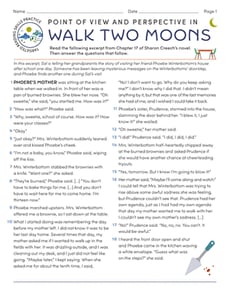
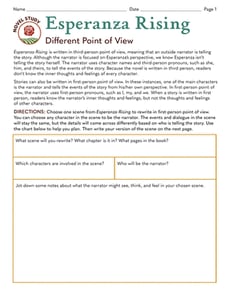
On Education.com, learn about sixth grade point of view and perspective through engaging lessons that help students analyze text, identify narrator viewpoints, and understand authors’ choices. Practice1ing skills with printable activities, lesson plans, and exercises that reinforce the different narration styles and storytelling angles. These resources are designed to support teachers and parents in developing students’ reading comprehension and critical thinking.
Explore a variety of educational materials on Education.com, including worksheets, interactive exercises, and teaching guides that highlight third-person, first-person, and omniscient perspectives. By working through structured activities, students can distinguish between narrators and understand how a perspective influences storytelling. These resources provide practical tools to help students master point of view analysis across literature and texts.
Through hands-on practice with these materials, parents and teachers can efficiently create lesson plans and classroom activities that build foundational reading skills. Using ready-made worksheets and activities, educators can save prep time while providing students a clear framework to explore and identify different narrative perspectives. Students gain the ability to analyze texts deeply while enhancing their overall reading comprehension.
Explore a variety of educational materials on Education.com, including worksheets, interactive exercises, and teaching guides that highlight third-person, first-person, and omniscient perspectives. By working through structured activities, students can distinguish between narrators and understand how a perspective influences storytelling. These resources provide practical tools to help students master point of view analysis across literature and texts.
Through hands-on practice with these materials, parents and teachers can efficiently create lesson plans and classroom activities that build foundational reading skills. Using ready-made worksheets and activities, educators can save prep time while providing students a clear framework to explore and identify different narrative perspectives. Students gain the ability to analyze texts deeply while enhancing their overall reading comprehension.