Fabric Projects Social Studies Resources

11 results
Social Studies
✕Fabric Projects
✕11 results
Subtopics:
Fabric Projects Social Studies Resources
11 results
Social Studies
✕Fabric Projects
✕11 results






About Fabric Projects Social Studies Resources
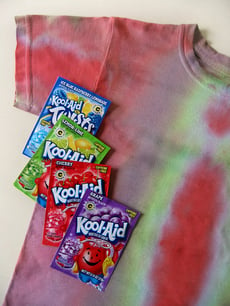
On Education.com, fabric projects in social studies explore hands-on activities that connect textile arts to history, culture, and community. Examples include quilting, weaving, tapestry making, and fabric dyeing, which help students understand cultural traditions and craftsmanship. These lessons combine craft projects with storytelling elements, fostering creativity and cultural awareness.
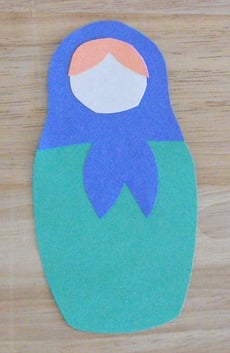
The Fabric Projects Social Studies Resources page offers worksheets, printable activities, lesson plans, and craft-based projects such as Amish potholders or Polynesian kapa cloth patterns. Practice materials guide students through designing and creating fabric pieces that incorporate historical and cultural context, encouraging hands-on learning and pattern recognition. Use these resources to integrate creative arts into history and social studies curricula.
Educators and parents can access structured lesson plans, craft templates, and discussion prompts that stimulate cultural exploration through fabric arts. This approach provides engaging, tangible experiences for learners to appreciate diverse traditions and understand materials' significance across communities. These resources make learning history and culture fun, accessible, and meaningful.
The Fabric Projects Social Studies Resources page offers worksheets, printable activities, lesson plans, and craft-based projects such as Amish potholders or Polynesian kapa cloth patterns. Practice materials guide students through designing and creating fabric pieces that incorporate historical and cultural context, encouraging hands-on learning and pattern recognition. Use these resources to integrate creative arts into history and social studies curricula.
Educators and parents can access structured lesson plans, craft templates, and discussion prompts that stimulate cultural exploration through fabric arts. This approach provides engaging, tangible experiences for learners to appreciate diverse traditions and understand materials' significance across communities. These resources make learning history and culture fun, accessible, and meaningful.