Offline Educational Common Core Patterns Games
Common Core Quick Links:
Common Core State Standards
Subtopics:
Offline Educational Common Core Patterns Games
Common Core Quick Links:
Common Core State Standards21 results
Math
✕Offline Games
✕Common Core
✕21 results








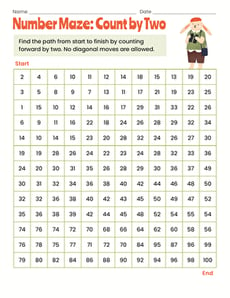
About Offline Educational Common Core Patterns Games
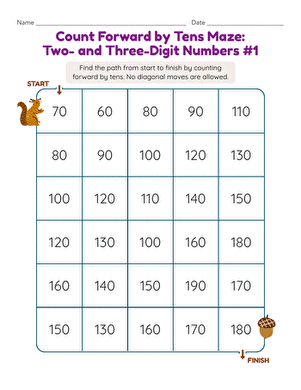
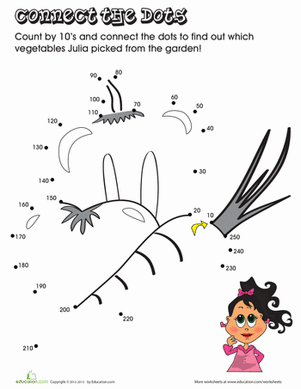
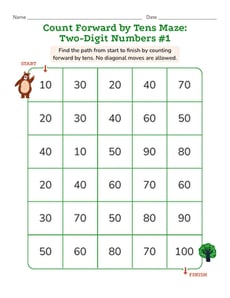
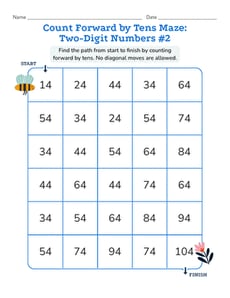
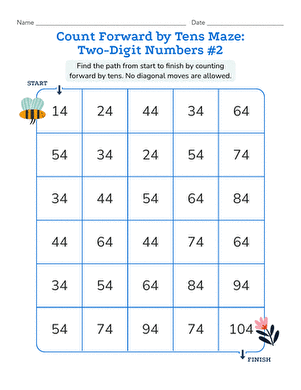
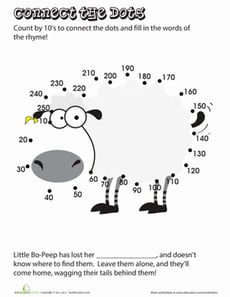
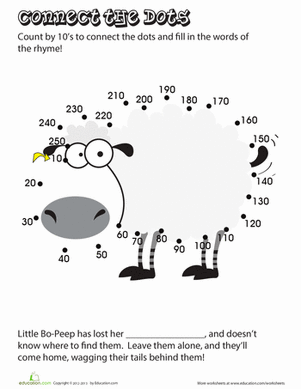
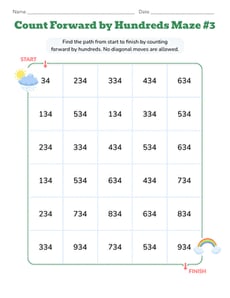
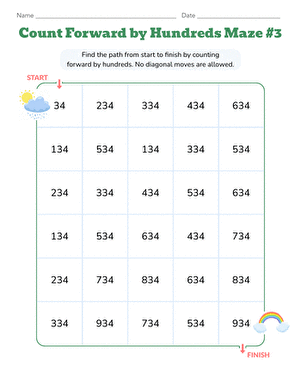
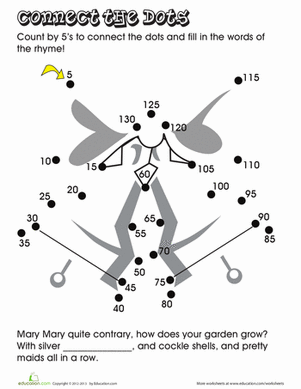
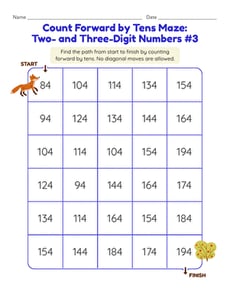
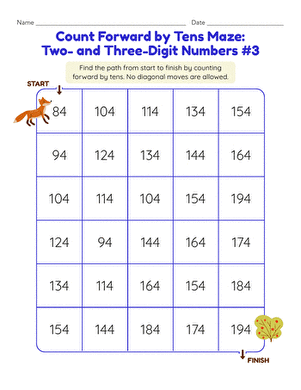
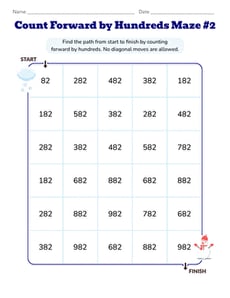
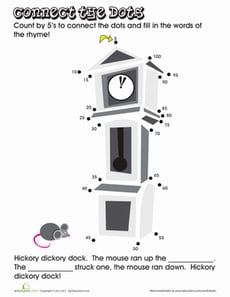
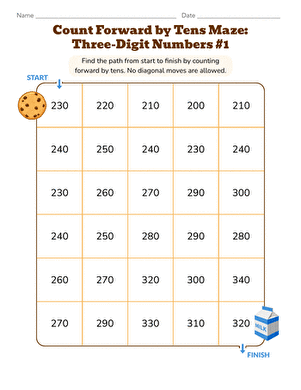
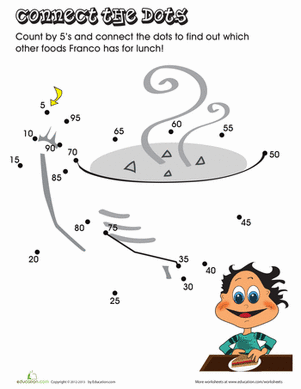
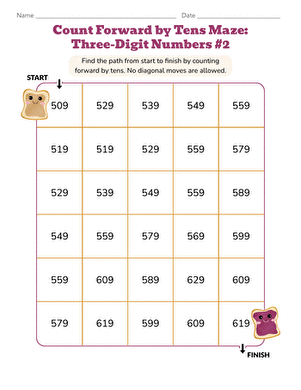
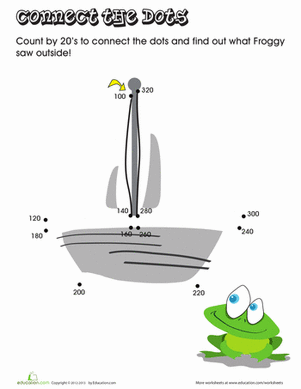
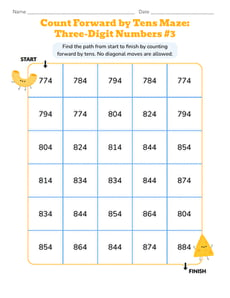
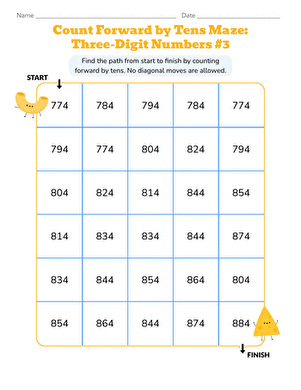
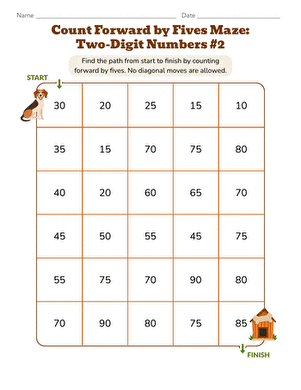
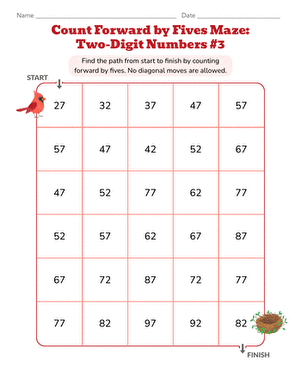
On Education.com, offline Common Core pattern games provide hands-on learning opportunities for children to develop math, logic, and sequencing skills. These activities use physical materials like pattern blocks, shape tiles, counting frames, and printable worksheets to reinforce number patterns, shapes, and logical thinking through engaging exercises. Such games support grades K-8 and build a solid foundation in problem-solving, geometry, and mathematical reasoning. Educators and parents can find materials that encourage active participation and make learning mathematics interactive and fun.
Browse Education.com for a variety of printable pattern exercises, interactive pattern block puzzles, counting games, and pattern recognition worksheets. These resources help students understand repeating and growing patterns, improve fine motor skills, and apply math concepts in playful contexts. Each activity is designed to align with national standards for K-8 mathematics education. Using well-structured worksheets and manipulatives, students can practice pattern matching, symmetry, and spatial reasoning while having fun.
Using scenarios like classroom centers or home learning, educators and parents can integrate pattern games to reinforce classroom lessons. Teachers can prepare hands-on activities that focus on symmetry, shape sequences, or number patterns. Parents and guardians can create engaging counting and pattern recognition games using simple household items. These resources provide a practical way to combine traditional learning with playful problem-solving exercises that strengthen foundational math skills AND encourage social interaction and cooperation.
Browse Education.com for a variety of printable pattern exercises, interactive pattern block puzzles, counting games, and pattern recognition worksheets. These resources help students understand repeating and growing patterns, improve fine motor skills, and apply math concepts in playful contexts. Each activity is designed to align with national standards for K-8 mathematics education. Using well-structured worksheets and manipulatives, students can practice pattern matching, symmetry, and spatial reasoning while having fun.
Using scenarios like classroom centers or home learning, educators and parents can integrate pattern games to reinforce classroom lessons. Teachers can prepare hands-on activities that focus on symmetry, shape sequences, or number patterns. Parents and guardians can create engaging counting and pattern recognition games using simple household items. These resources provide a practical way to combine traditional learning with playful problem-solving exercises that strengthen foundational math skills AND encourage social interaction and cooperation.