
Offline Educational Fitness & Exercise Counting Games

About Offline Educational Fitness & Exercise Counting Games
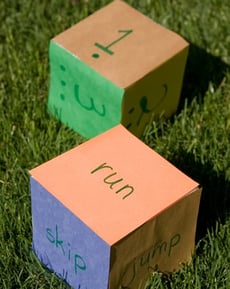
On Education.com, offline educational fitness and exercise counting games are active learning activities that combine physical activity with math skills such as counting, addition, and subtraction. Examples include exercises like 'Exercise with Dice!' or 'Jumping Numbers,' where children use household objects or movement-based challenges to practice math while staying active. These hands-on games make learning engaging and energetic for young kids, encouraging physical movement alongside academic practice.
Education.com provides printable worksheets, activity guides, and lesson plans to help parents and teachers implement fitness and number counting games at home or in the classroom. Resources include structured exercises that integrate movement with math concepts such as counting beats, jumping repetitions, or running to specific numbers. These materials support early childhood development by combining cognitive skills with gross motor exercise and social interaction.
Educators and parents can save planning time by using ready-made lesson plans that teach math through active movement. Students enhance number recognition, improve coordination, and build confidence while engaging in fun, interactive games. This approach encourages active learning, supports multiple learning styles, and makes math practice enjoyable outside traditional classroom settings.
Education.com provides printable worksheets, activity guides, and lesson plans to help parents and teachers implement fitness and number counting games at home or in the classroom. Resources include structured exercises that integrate movement with math concepts such as counting beats, jumping repetitions, or running to specific numbers. These materials support early childhood development by combining cognitive skills with gross motor exercise and social interaction.
Educators and parents can save planning time by using ready-made lesson plans that teach math through active movement. Students enhance number recognition, improve coordination, and build confidence while engaging in fun, interactive games. This approach encourages active learning, supports multiple learning styles, and makes math practice enjoyable outside traditional classroom settings.