Recycled Crafts Classifying Two-Dimensional Shapes Resources

3 results
Math
✕Recycled Crafts
✕3 results
Recycled Crafts Classifying Two-Dimensional Shapes Resources
3 results
Math
✕Recycled Crafts
✕3 results



About Recycled Crafts Classifying Two-dimensional Shapes Resources
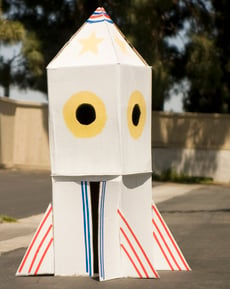
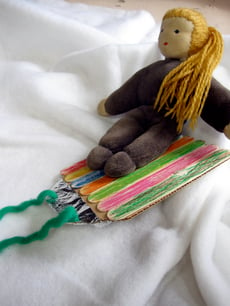
On Education.com, recycled crafts for classifying 2D shapes provide hands-on activities using household materials like cardboard, straws, and bottle caps. Educators and parents can find worksheets, printable images, and activity guides that reinforce geometric concepts while encouraging creativity. These resources are designed to make learning shapes both fun and interactive. Students can decorate shape monsters, sort shapes from recyclables, or design colorful patterns to practice distinguishing sides, corners, and angles.
Discover diverse materials such as shape craft templates, sorting games, and interactive worksheets that help children identify and compare two-dimensional shapes. Each resource provides visual aids and organized exercises to strengthen shape recognition and classifying skills. From creating castle walls with paper squares to grouping shapes by sides or corners, these mats and printables support early geometry and spatial awareness.
Use this page to access ready-to-use lessons, printable shape templates, and engaging activities that develop shape recognition in a classroom or at home. Educators can streamline lesson planning by combining geometric practice with hands-on crafts, enabling young learners to connect abstract concepts to concrete objects. These resources also offer a fun way to reinforce shape attributes while fostering creativity and problem-solving skills.
Discover diverse materials such as shape craft templates, sorting games, and interactive worksheets that help children identify and compare two-dimensional shapes. Each resource provides visual aids and organized exercises to strengthen shape recognition and classifying skills. From creating castle walls with paper squares to grouping shapes by sides or corners, these mats and printables support early geometry and spatial awareness.
Use this page to access ready-to-use lessons, printable shape templates, and engaging activities that develop shape recognition in a classroom or at home. Educators can streamline lesson planning by combining geometric practice with hands-on crafts, enabling young learners to connect abstract concepts to concrete objects. These resources also offer a fun way to reinforce shape attributes while fostering creativity and problem-solving skills.