Paper & Glue Crafts Classifying Three-Dimensional Shapes Resources

11 results
Math
✕Paper & Glue Crafts
✕11 results
Subtopics:
Paper & Glue Crafts Classifying Three-Dimensional Shapes Resources
11 results
Math
✕Paper & Glue Crafts
✕11 results
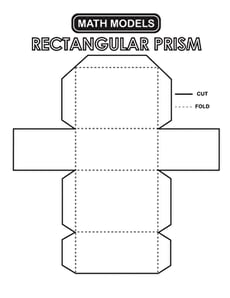

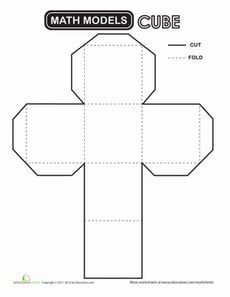

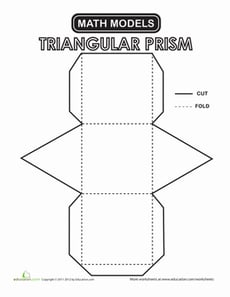

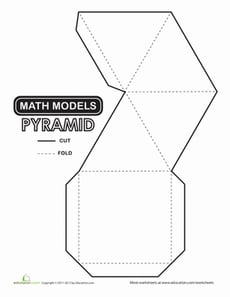





About Paper & Glue Crafts Classifying Three-dimensional Shapes Resources
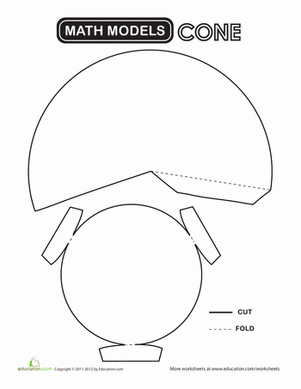
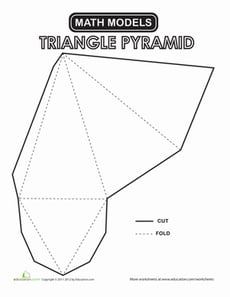
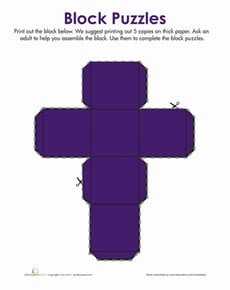
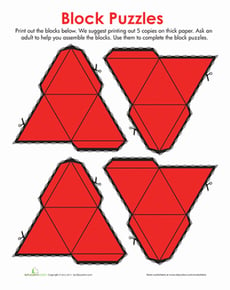
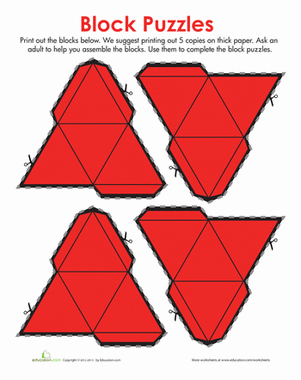
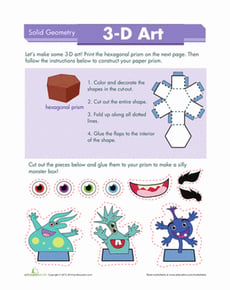
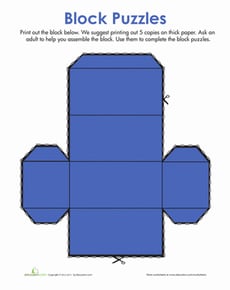
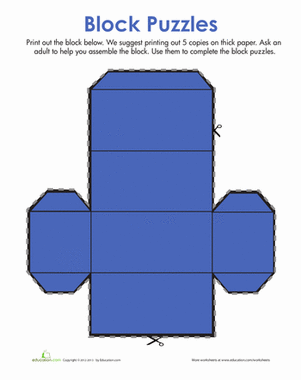
On Education.com, learners can explore a variety of hands-on activities and worksheets that help understand and classify three-dimensional shapes using paper and glue crafts. These lessons encourage creativity while reinforcing geometry concepts, making learning engaging and interactive for students. Materials include step-by-step guides, printable templates, and diagrams that visualize each shape’s features and classifications.
Educators and parents can use these resources to facilitate classroom projects, at-home learning, or activity-based assessments that combine arts and geometry. The structured paper-and-glue exercises support spatial reasoning, fine motor skills, and shape recognition, providing a multi-sensory approach to math education. This curated selection enhances lessons with artistic expression while deepening students' understanding of geometric solids.
Using this collection of paper and glue craft resources, teachers can create engaging lessons that promote hands-on learning, creativity, and practical geometry practice. With structured guidance on classifying three-dimensional shapes, these materials make abstract concepts tangible and accessible. This approach supports standards-based mathematics education while fostering artistic experimentation.
Educators and parents can use these resources to facilitate classroom projects, at-home learning, or activity-based assessments that combine arts and geometry. The structured paper-and-glue exercises support spatial reasoning, fine motor skills, and shape recognition, providing a multi-sensory approach to math education. This curated selection enhances lessons with artistic expression while deepening students' understanding of geometric solids.
Using this collection of paper and glue craft resources, teachers can create engaging lessons that promote hands-on learning, creativity, and practical geometry practice. With structured guidance on classifying three-dimensional shapes, these materials make abstract concepts tangible and accessible. This approach supports standards-based mathematics education while fostering artistic experimentation.