Preschool Holidays Science Resources

Preschool Holidays Science Resources
24 results
Science
✕Pre-K
✕Holidays
✕24 results























About Preschool Holidays Science Resources
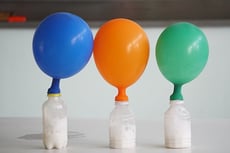
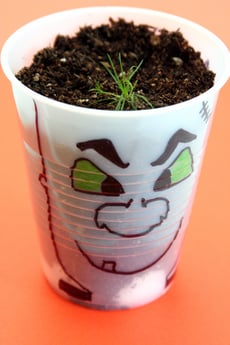
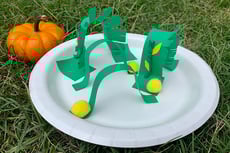
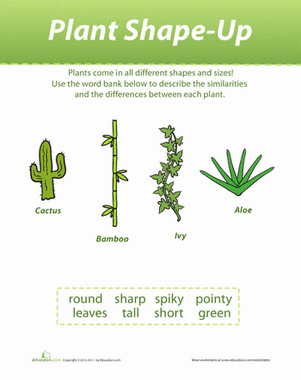
On Education.com, preschool holiday science resources include themed experiments and activities that explore seasonal phenomena. These materials help young learners observe, question, and experiment using natural and everyday objects related to holidays like Halloween, winter, Easter, and more. By combining hands-on exploration with seasonal fun, children develop early science skills and curiosity.
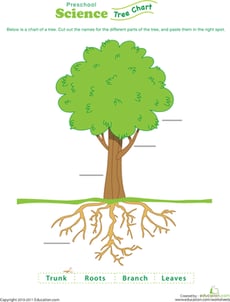
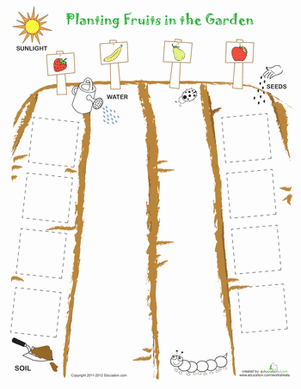
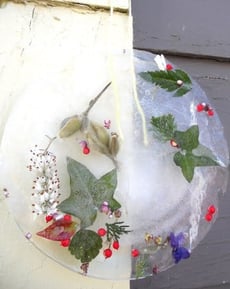
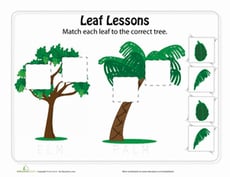
This section offers printable worksheets, classroom activities, and interactive experiments that incorporate seasonal themes. Educators and parents can access lessons that introduce concepts such as plant growth during spring, the properties of ice and water in winter, or animal habits around certain holidays. These resources make science engaging and accessible for young learners by providing structured yet playful experiences.
Using these holiday-themed science materials supports educators and parents in creating enriching, hands-on learning moments. They provide ready-to-use activities that save planning time while enhancing understanding of fundamental science concepts through seasonal context. Children strengthen observation skills, learn scientific terminology, and connect real-world experiences to classroom concepts.
This section offers printable worksheets, classroom activities, and interactive experiments that incorporate seasonal themes. Educators and parents can access lessons that introduce concepts such as plant growth during spring, the properties of ice and water in winter, or animal habits around certain holidays. These resources make science engaging and accessible for young learners by providing structured yet playful experiences.
Using these holiday-themed science materials supports educators and parents in creating enriching, hands-on learning moments. They provide ready-to-use activities that save planning time while enhancing understanding of fundamental science concepts through seasonal context. Children strengthen observation skills, learn scientific terminology, and connect real-world experiences to classroom concepts.