Preschool Construction & Sculpture Classifying Two-Dimensional Shapes Resources

3 results
Math
✕Pre-K
✕Construction & Sculpture
✕3 results
Subtopics:
Preschool Construction & Sculpture Classifying Two-Dimensional Shapes Resources
3 results
Math
✕Pre-K
✕Construction & Sculpture
✕3 results
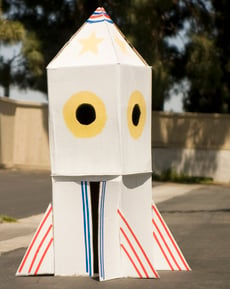


About Preschool Construction & Sculpture Classifying Two-dimensional Shapes Resources
On Education.com, parents and teachers can access materials that introduce young children to construction and sculpture activities involving 2D shapes. These resources help children explore shapes through building, drawing, and designing to develop spatial awareness. Activities include hands-on exercises, creative crafts, and visual worksheets that make learning to identify and sort shapes engaging and interactive.
Education.com offers a variety of lesson plans, printable worksheets, and interactive activities for preschoolers. The resources support early geometry learning by helping children recognize and classify shapes such as circles, squares, triangles, and rectangles in practical and fun ways. Educators can use these materials to reinforce shape concepts in a classroom or at home, making geometry accessible and enjoyable.
Using these shape classification resources saves time for teachers and parents by providing ready-to-use activities that promote active learning and critical thinking. children improve their shape recognition, develop fine motor skills, and enhance creativity through engaging construction and sculpture projects. Educators and caregivers can use these materials to make early math lessons challenging and age-appropriate, encouraging exploration and experimentation with shapes.
Education.com offers a variety of lesson plans, printable worksheets, and interactive activities for preschoolers. The resources support early geometry learning by helping children recognize and classify shapes such as circles, squares, triangles, and rectangles in practical and fun ways. Educators can use these materials to reinforce shape concepts in a classroom or at home, making geometry accessible and enjoyable.
Using these shape classification resources saves time for teachers and parents by providing ready-to-use activities that promote active learning and critical thinking. children improve their shape recognition, develop fine motor skills, and enhance creativity through engaging construction and sculpture projects. Educators and caregivers can use these materials to make early math lessons challenging and age-appropriate, encouraging exploration and experimentation with shapes.