Preschool Arts & Crafts Two-Dimensional Shapes Resources

14 results
Math
✕Pre-K
✕Arts & Crafts
✕14 results
Preschool Arts & Crafts Two-Dimensional Shapes Resources
14 results
Math
✕Pre-K
✕Arts & Crafts
✕14 results






About Preschool Arts & Crafts Two-dimensional Shapes Resources
On Education.com, parents and teachers can access a variety of preschool arts and crafts activities focused on two-dimensional shapes. These resources include printable worksheets, guided craft projects, and engaging lesson plans that introduce young children to geometric concepts while fostering creativity and fine motor skills. These materials are structured to make learning shapes through hands-on arts education fun and memorable for preschoolers.
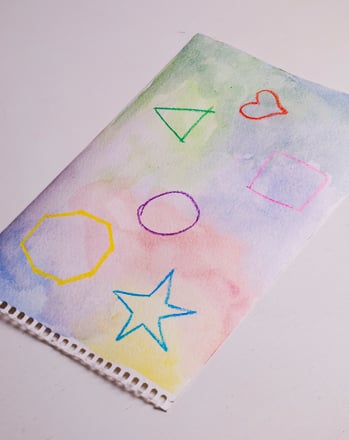
The site offers themed arts and crafts worksheets that combine shape recognition with artistic expression. For example, children can create craft projects using circles, squares, triangles, and rectangles, helping them recognize shapes while practicing cutting, coloring, and constructing. These printable resources provide structured activities that reinforce shape learning while encouraging imagination and hands-on engagement.
Educators and parents can utilize these shapes-focused arts and crafts resources to teach geometric concepts in an interactive, artistic context. Pre-cut templates, step-by-step instructions, and suggested materials allow children to participate actively in shape recognition while developing fine motor skills. This approach makes learning fun and practical, supporting both education and creativity in early childhood.
The site offers themed arts and crafts worksheets that combine shape recognition with artistic expression. For example, children can create craft projects using circles, squares, triangles, and rectangles, helping them recognize shapes while practicing cutting, coloring, and constructing. These printable resources provide structured activities that reinforce shape learning while encouraging imagination and hands-on engagement.
Educators and parents can utilize these shapes-focused arts and crafts resources to teach geometric concepts in an interactive, artistic context. Pre-cut templates, step-by-step instructions, and suggested materials allow children to participate actively in shape recognition while developing fine motor skills. This approach makes learning fun and practical, supporting both education and creativity in early childhood.