Preschool Painting & Drawing Life Science Activities

5 results
Science
✕Activities
✕Pre-K
✕Painting & Drawing
✕5 results
Subtopics:
Preschool Painting & Drawing Life Science Activities
5 results
Science
✕Activities
✕Pre-K
✕Painting & Drawing
✕5 results





About Preschool Painting & Drawing Life Science Activities
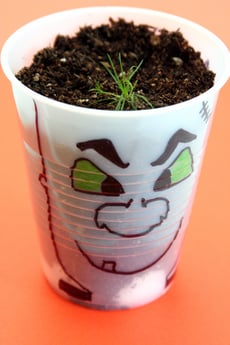
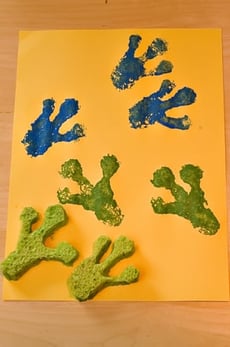
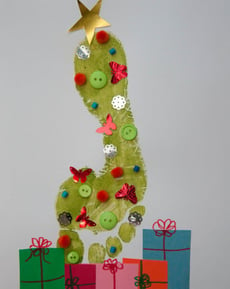
On Education.com, preschool painting & drawing life science activities combine art and biology to engage young learners in observing and exploring nature. These activities include leaf rubbings, fruit/vegetable prints, iceberg paintings to demonstrate melting, creating handprint butterflies, and gravity painting for cause-and-effect lessons. Such activities help children observe textures, learn about natural processes, and develop fine motor skills while having fun with creative mediums.
Explore a range of educativo materials and worksheets on Education.com that combine art with science concepts for preschoolers. Each activity provides opportunities for hands-on experimentation and discovery, enhancing observation, creativity, and understanding of natural phenomena. The site offers structured lesson plans, printable activities, and interactive exercises designed for educators and parents to make learning engaging and accessible.
Using these page resources for teaching, parents and teachers can effortlessly introduce art-infused science lessons that foster curiosity and practical skills. Structured activities offer educational value across observation, experimentation, and expression, saving time while enriching early science and music curricula.
Explore a range of educativo materials and worksheets on Education.com that combine art with science concepts for preschoolers. Each activity provides opportunities for hands-on experimentation and discovery, enhancing observation, creativity, and understanding of natural phenomena. The site offers structured lesson plans, printable activities, and interactive exercises designed for educators and parents to make learning engaging and accessible.
Using these page resources for teaching, parents and teachers can effortlessly introduce art-infused science lessons that foster curiosity and practical skills. Structured activities offer educational value across observation, experimentation, and expression, saving time while enriching early science and music curricula.