Preschool Paper & Glue Crafts Data and Graphing Activities

3 results
Math
✕Pre-K
✕Activities
✕Paper & Glue Crafts
✕3 results
Subtopics:
Preschool Paper & Glue Crafts Data and Graphing Activities
3 results
Math
✕Pre-K
✕Activities
✕Paper & Glue Crafts
✕3 results


About Preschool Paper & Glue Crafts Data And Graphing Activities
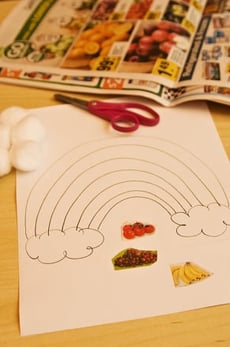
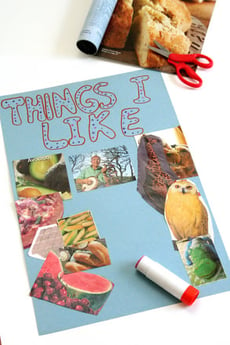
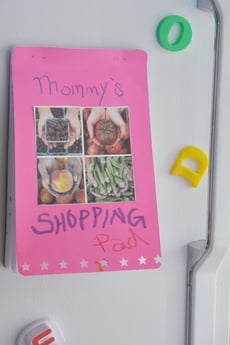
On Education.com, preschool data and graphing activities using paper and glue involve sorting objects such as colored paper scraps, stickers, or cereal by category, then gluing them onto a chart to create a visual bar graph. These hands-on lessons help young children learn to gather, organize, and compare data while developing fine motor skills and early math understanding. Examples include creating a healthy food rainbow graph or sorting colorful items to build simple picture graphs.
This page provides printable worksheets and activity ideas that teachers and parents can use to practice sorting, counting, and graphing with preschoolers. Materials are designed to make learning fun and interactive, encouraging children to explore data collection through creative crafts that reinforce classroom concepts at home or in the classroom. Each activity supports foundational math skills and visual literacy in a memorable way.
Using these preschool paper and glue craft games and lesson plans allows educators and parents to save time preparing engaging classroom or at-home activities. Students practice sorting and categorizing objects while creating colorful, tangible graphs, reinforcing concepts in a tactile way. By integrating hands-on art with foundational math, children develop confidence, concentration, and an enjoyment of learning.
This page provides printable worksheets and activity ideas that teachers and parents can use to practice sorting, counting, and graphing with preschoolers. Materials are designed to make learning fun and interactive, encouraging children to explore data collection through creative crafts that reinforce classroom concepts at home or in the classroom. Each activity supports foundational math skills and visual literacy in a memorable way.
Using these preschool paper and glue craft games and lesson plans allows educators and parents to save time preparing engaging classroom or at-home activities. Students practice sorting and categorizing objects while creating colorful, tangible graphs, reinforcing concepts in a tactile way. By integrating hands-on art with foundational math, children develop confidence, concentration, and an enjoyment of learning.