Kindergarten Thanksgiving Counting Worksheets

8 results
Math
✕Worksheets
✕Kindergarten
✕Thanksgiving
✕8 results
Kindergarten Thanksgiving Counting Worksheets
8 results
Math
✕Worksheets
✕Kindergarten
✕Thanksgiving
✕8 results
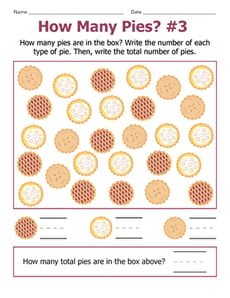

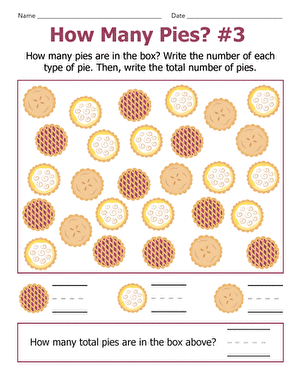
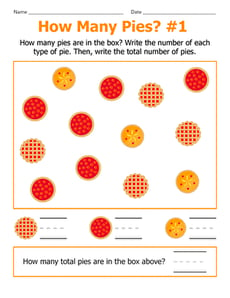
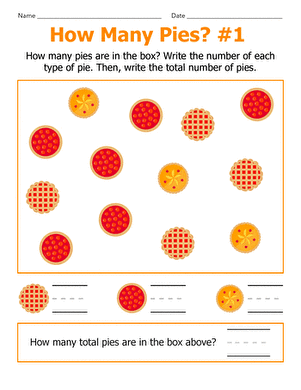
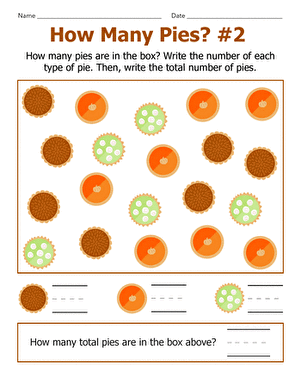
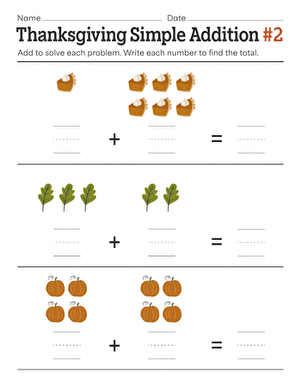


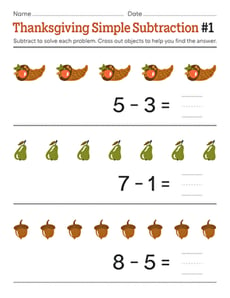
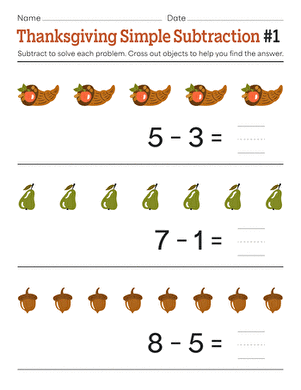
About Kindergarten Thanksgiving Counting Worksheets
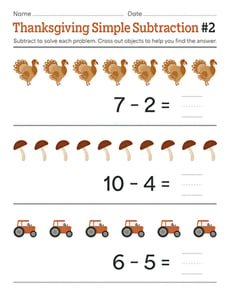
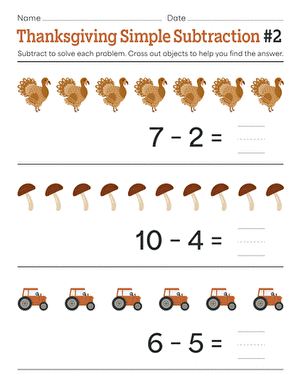
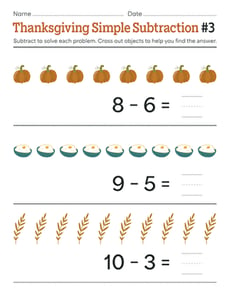
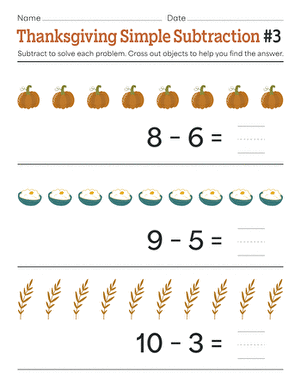
On Education.com, kindergarten thanksgiving counting worksheets provide young learners with engaging activities to practice number recognition and counting skills. These printable worksheets incorporate seasonal themes and real-world objects to make math practice fun and relevant. Educators and parents can access a variety of graded exercises designed specifically for young children to build a strong foundation in early numeracy.
Educators can utilize Thanksgiving counting worksheets as classroom resources to introduce numbers, addition, and subtraction in an interactive way. Worksheets often include counting menorahs, pumpkins, syllable recognition, and pattern activities that enhance critical thinking and pattern recognition. Each page allows children to connect math concepts to celebrations and traditions, making learning relatable and enjoyable.
Parents can use thanksgiving counting worksheets at home to reinforce classroom learning and encourage hands-on practice. This structured activity helps children develop fine motor skills while practicing counting, number sequencing, and simple arithmetic. These worksheets also create opportunities for early learning conversations and strengthen children's confidence in math learning.
Educators can utilize Thanksgiving counting worksheets as classroom resources to introduce numbers, addition, and subtraction in an interactive way. Worksheets often include counting menorahs, pumpkins, syllable recognition, and pattern activities that enhance critical thinking and pattern recognition. Each page allows children to connect math concepts to celebrations and traditions, making learning relatable and enjoyable.
Parents can use thanksgiving counting worksheets at home to reinforce classroom learning and encourage hands-on practice. This structured activity helps children develop fine motor skills while practicing counting, number sequencing, and simple arithmetic. These worksheets also create opportunities for early learning conversations and strengthen children's confidence in math learning.