
Subtopics:
Offline Educational Kindergarten Common Core Number Patterns Games
Common Core Quick Links:
Common Core Standards for Kindergarten Math, Common Core Standards for Kindergarten ELA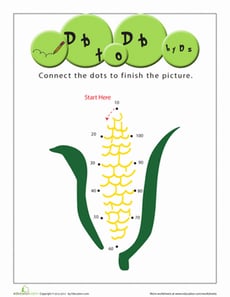

About Offline Educational Kindergarten Common Core Number Patterns Games
On Education.com, this page offers a variety of teaching resources and printable activities that focus on identifying and creating number patterns for kindergarten students. Educators and parents can explore worksheets, charts, and hands-on games designed to build number sense and pattern recognition skills, aligned with the Common Core standards. These materials emphasize practical, interactive experiences to reinforce foundational math concepts in an engaging way.
Material collections at Education.com include downloadable worksheets, guided practice exercises, and classroom games that facilitate pattern exploration, number sequencing, and skip counting. Each resource helps children recognize relationships among numbers and enhances cognitive development through fun, tactile learning. Educators and parents can select age-appropriate activities that encourage persistence, observation, and problem-solving skills while strengthening a child's mathematical reasoning.
Bounding this concept, teachers and parents can incorporate hands-on games using dominoes and beads, create visual number lines or charts for sequencing, or use printable worksheets to reinforce pattern identification. These activities promote collaborative learning, boost confidence, and connect math to everyday experiences. Educators and caregivers can use these solutions to strengthen students’ understanding of number relationships and make learning fun and meaningful.
Material collections at Education.com include downloadable worksheets, guided practice exercises, and classroom games that facilitate pattern exploration, number sequencing, and skip counting. Each resource helps children recognize relationships among numbers and enhances cognitive development through fun, tactile learning. Educators and parents can select age-appropriate activities that encourage persistence, observation, and problem-solving skills while strengthening a child's mathematical reasoning.
Bounding this concept, teachers and parents can incorporate hands-on games using dominoes and beads, create visual number lines or charts for sequencing, or use printable worksheets to reinforce pattern identification. These activities promote collaborative learning, boost confidence, and connect math to everyday experiences. Educators and caregivers can use these solutions to strengthen students’ understanding of number relationships and make learning fun and meaningful.