
Subtopics:
Kindergarten Dot to Dot Number Patterns Resources

About Kindergarten Dot To Dot Number Patterns Resources
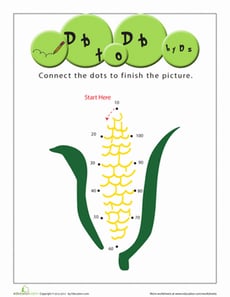
On Education.com, parents and teachers can find a wide variety of kindergarten dot-to-dot number pattern worksheets. These activities focus on skip-counting by 2s, 5s, and 10s and help children develop fine motor skills, number recognition, and sequencing abilities. Each printable worksheet provides seasonal themes and coloring options to keep kids engaged while reinforcing early math concepts.
Educators can access ready-to-use daily lesson plans and interactive activities that incorporate number pattern recognition, number sequences, and sequencing challenges. Using structured worksheets, children practice counting, strengthen pencil control, and progressively connect dots to build a foundation for more complex math learning. Digital resources on this site provide versatile options aligned with early childhood education standards.
This page makes it easy for parents to keep children engaged in number practice at home or in the classroom. Printable dot-to-dot exercises save planning time, expand educational resources, and encourage hands-on learning. By combining fun, seasonal patterns with foundational math skills, children can enhance motor coordination, strengthen recognition, and gain confidence in early math lessons.
Educators can access ready-to-use daily lesson plans and interactive activities that incorporate number pattern recognition, number sequences, and sequencing challenges. Using structured worksheets, children practice counting, strengthen pencil control, and progressively connect dots to build a foundation for more complex math learning. Digital resources on this site provide versatile options aligned with early childhood education standards.
This page makes it easy for parents to keep children engaged in number practice at home or in the classroom. Printable dot-to-dot exercises save planning time, expand educational resources, and encourage hands-on learning. By combining fun, seasonal patterns with foundational math skills, children can enhance motor coordination, strengthen recognition, and gain confidence in early math lessons.