Kindergarten Arts & Crafts Classifying Three-Dimensional Shapes Resources

5 results
Math
✕Kindergarten
✕Arts & Crafts
✕5 results
Subtopics:
Kindergarten Arts & Crafts Classifying Three-Dimensional Shapes Resources
5 results
Math
✕Kindergarten
✕Arts & Crafts
✕5 results
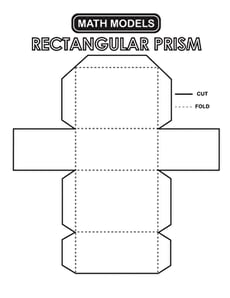

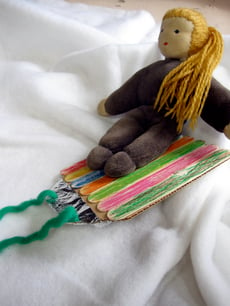

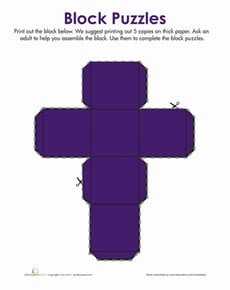

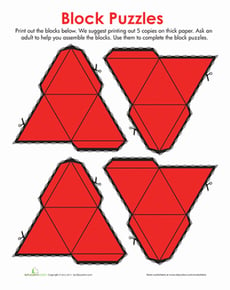
About Kindergarten Arts & Crafts Classifying Three-dimensional Shapes Resources
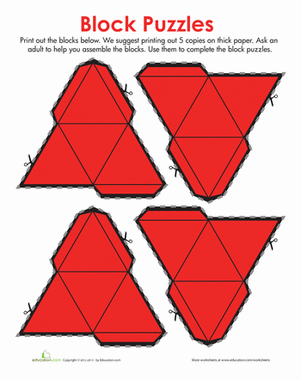
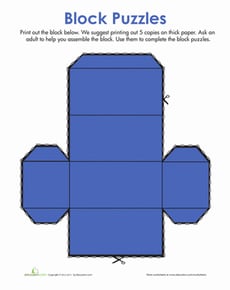
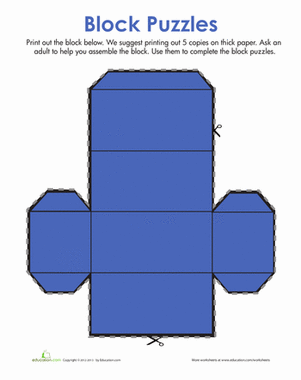
On Education.com, parents and teachers can explore lots of preschool resources focused on identifying and classifying three-dimensional shapes. This page provides worksheets, printable activities, and interactive lessons designed to help students recognize shapes like spheres, cubes, cones, and cylinders. These materials teach shape vocabulary, spatial awareness, and foundational geometry skills through engaging exercises.
Discover printable shape classification worksheets, hands-on classroom activities, and online games that make learning about three-dimensional forms fun and memorable. Each resource offers a structured way for young children to observe, compare, and group shapes based on attributes such as face number, edges, and vertices. To help children develop critical thinking and pattern recognition, Learning activities incorporate visual guides, shape sorting cards, and hands-on manipulatives.
Explore kit-based activities, shape scavenger hunts, and classroom charts created to support early geometry instruction. Educators and parents can use these structured resources to strengthen shape recognition, classification skills, and spatial reasoning. By practicing sorting, identifying, and comparing three-dimensional shapes, children build a solid foundation for future math and geometry learning.
Discover printable shape classification worksheets, hands-on classroom activities, and online games that make learning about three-dimensional forms fun and memorable. Each resource offers a structured way for young children to observe, compare, and group shapes based on attributes such as face number, edges, and vertices. To help children develop critical thinking and pattern recognition, Learning activities incorporate visual guides, shape sorting cards, and hands-on manipulatives.
Explore kit-based activities, shape scavenger hunts, and classroom charts created to support early geometry instruction. Educators and parents can use these structured resources to strengthen shape recognition, classification skills, and spatial reasoning. By practicing sorting, identifying, and comparing three-dimensional shapes, children build a solid foundation for future math and geometry learning.