Kindergarten Easter Math Resources

Kindergarten Easter Math Resources
33 results
Math
✕Kindergarten
✕Easter
✕33 results













About Kindergarten Easter Math Resources
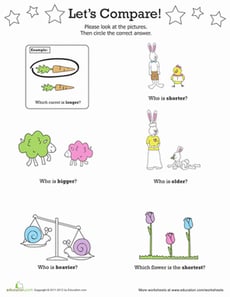
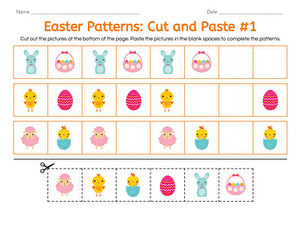
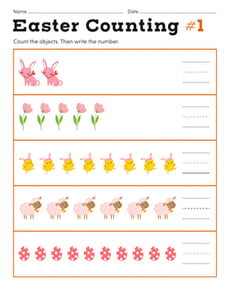
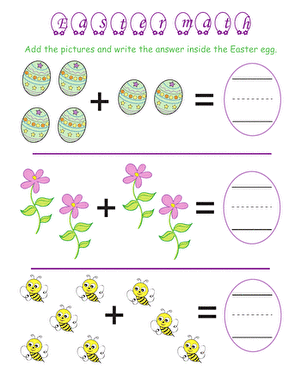
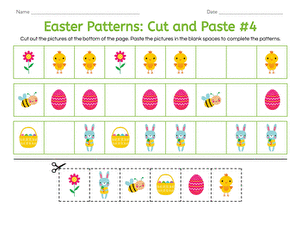
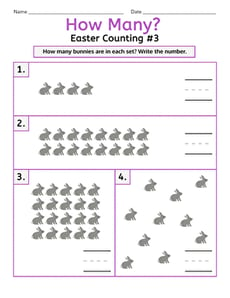
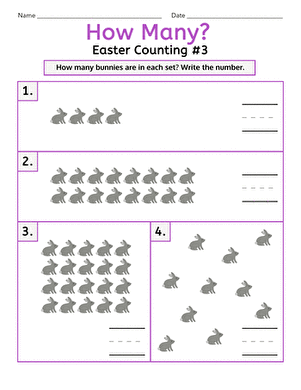
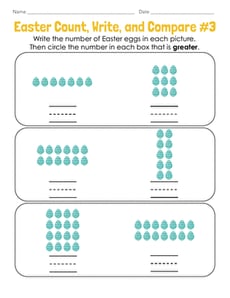
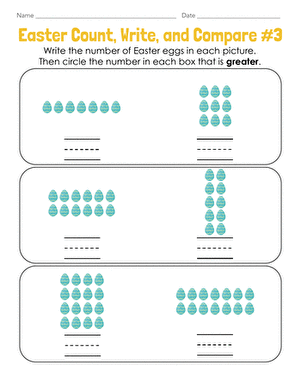
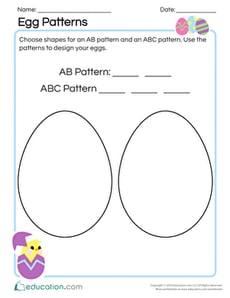
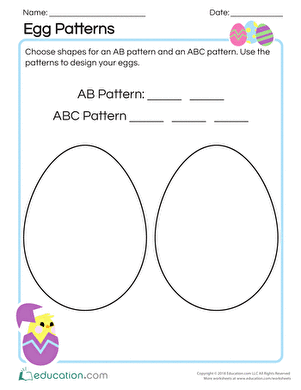
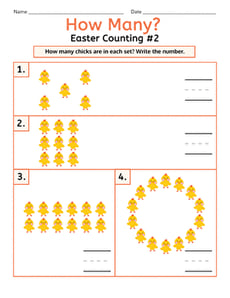
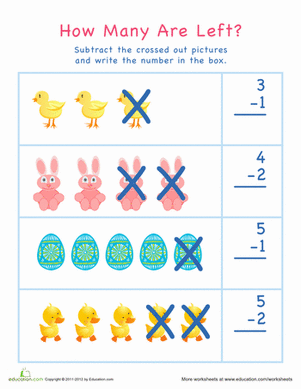
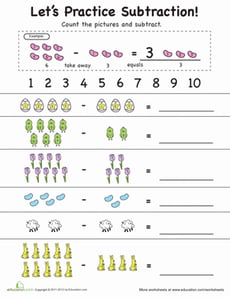
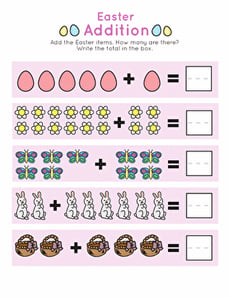
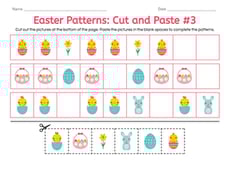
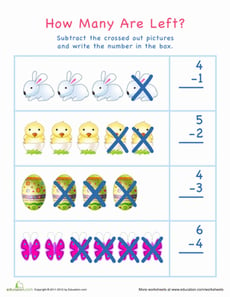
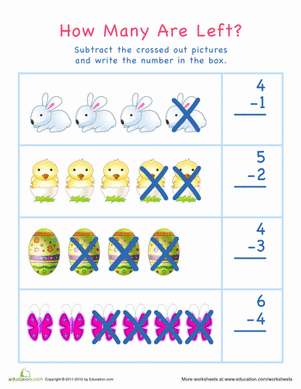
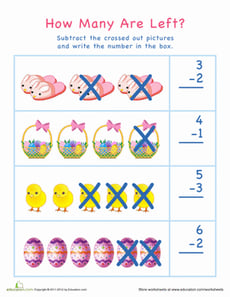
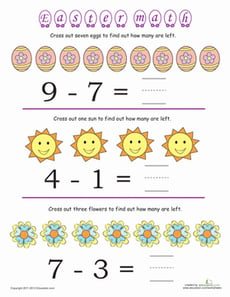
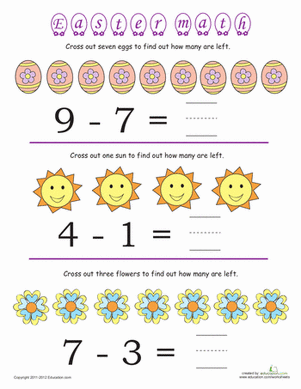
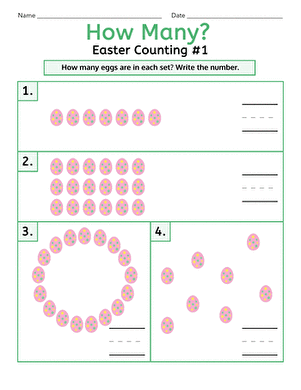
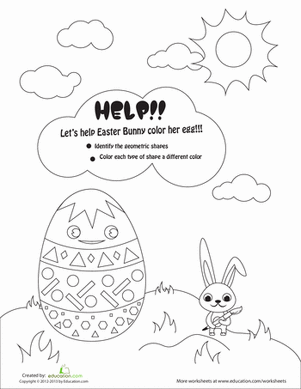
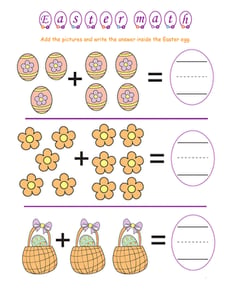
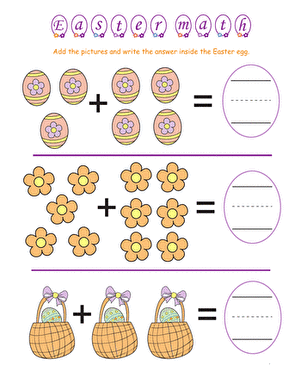
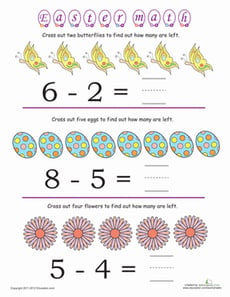
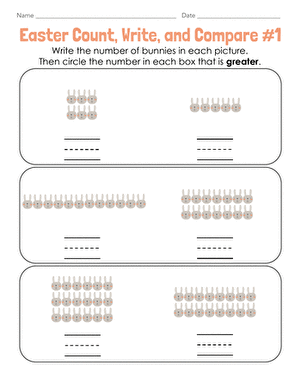
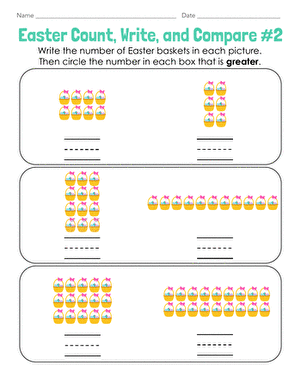
On Education.com, educators and parents can find a variety of Easter-themed kindergarten math resources, including worksheets, games, and activity prompts that focus on counting, number comparison, and pattern recognition. These resources make learning engaging and festive by incorporating holiday themes into everyday math practice. Students can work on hands-on activities like numbering eggs, matching shapes, or completing pattern puzzles to strengthen foundational skills while celebrating springtime.
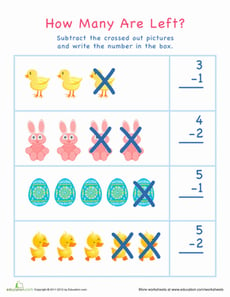
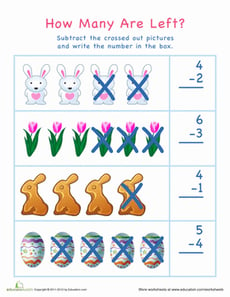
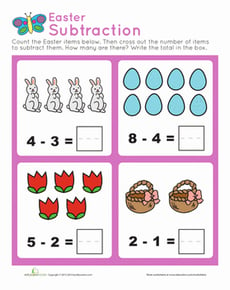
This collection includes printable worksheets, interactive games, and lesson plans that guide young learners in developing early math concepts such as addition, subtraction, and measurement. By incorporating thematic activities into daily practice, children remain motivated and enjoy early math exploration. The resources also provide structured opportunities for parents and teachers to reinforce classroom lessons across multiple settings.
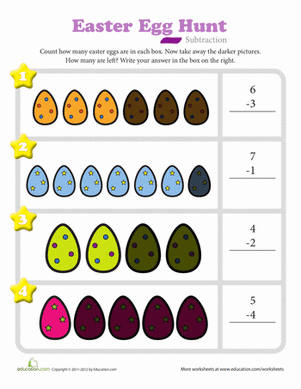
Using these Easter-themed apple sorting, jellybean graphing, and egg-hunting math activities saves educators and parents time while providing meaningful ways to support early numeracy. Children get hands-on learning experiences that blend experimentation with gezellig and education. This supportive, structured approach helps make early math practice both effective and fun.
This collection includes printable worksheets, interactive games, and lesson plans that guide young learners in developing early math concepts such as addition, subtraction, and measurement. By incorporating thematic activities into daily practice, children remain motivated and enjoy early math exploration. The resources also provide structured opportunities for parents and teachers to reinforce classroom lessons across multiple settings.
Using these Easter-themed apple sorting, jellybean graphing, and egg-hunting math activities saves educators and parents time while providing meaningful ways to support early numeracy. Children get hands-on learning experiences that blend experimentation with gezellig and education. This supportive, structured approach helps make early math practice both effective and fun.