Offline Educational 8th Grade Summer Figurative Language Games

2 results
English Language Arts
✕Offline Games
✕8th Grade
✕Summer
✕2 results
Offline Educational 8th Grade Summer Figurative Language Games
2 results
English Language Arts
✕Offline Games
✕8th Grade
✕Summer
✕2 results


About Offline Educational 8th Grade Summer Figurative Language Games
On Education.com, educators and parents can explore a variety of interactive resources designed to enhance eighth-grade English Language Arts. These include printable worksheets, games, and lesson plans focused on figurative language, literary devices, and creative writing. Materials provide engaging activities like identifying similes and metaphors, analyzing idioms, and applying figurative language in writing prompts. Each resource supports strengthening language skills and critical thinking, making learning both fun and educational.
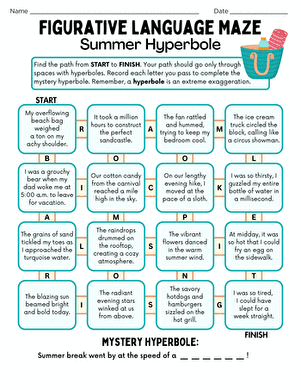
This page offers a selection of offline activities, including classroom-ready games, puzzles, and creative exercises. Examples include ‘Musical Similes,’ where students connect similes to sentences, and ‘Figurative Language Escape Rooms,’ which challenge learners to solve clues involving metaphors and idioms. These resources provide hands-on experiences that reinforce key literary concepts while promoting collaboration and analysis. Ideal for use at school or home, each activity makes practicing figurative language practical and memorable.
Educators can share printable lesson plans that guide classroom instruction using a range of engaging, hands-on learning activities. Parents can engage children with offline exercises that reinforce classroom lessons and foster creative thinking. Both offer a convenient way to make learning about figurative language accessible, enjoyable, and effective even without digital devices. By integrating games and interactive activities, these resources help students build a solid foundation in language arts while having fun.
This page offers a selection of offline activities, including classroom-ready games, puzzles, and creative exercises. Examples include ‘Musical Similes,’ where students connect similes to sentences, and ‘Figurative Language Escape Rooms,’ which challenge learners to solve clues involving metaphors and idioms. These resources provide hands-on experiences that reinforce key literary concepts while promoting collaboration and analysis. Ideal for use at school or home, each activity makes practicing figurative language practical and memorable.
Educators can share printable lesson plans that guide classroom instruction using a range of engaging, hands-on learning activities. Parents can engage children with offline exercises that reinforce classroom lessons and foster creative thinking. Both offer a convenient way to make learning about figurative language accessible, enjoyable, and effective even without digital devices. By integrating games and interactive activities, these resources help students build a solid foundation in language arts while having fun.