6th Grade Common Core Onomatopoeia Resources
Common Core Quick Links:
Common Core Standards for 6th Grade Math, Common Core Standards for 6th Grade ELA
2 results
English Language Arts
✕6th Grade
✕Common Core
✕2 results
6th Grade Common Core Onomatopoeia Resources
Common Core Quick Links:
Common Core Standards for 6th Grade Math, Common Core Standards for 6th Grade ELA2 results
English Language Arts
✕6th Grade
✕Common Core
✕2 results


About 6th Grade Common Core Onomatopoeia Resources
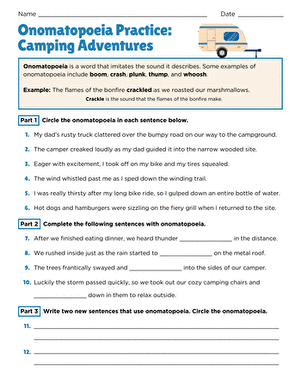
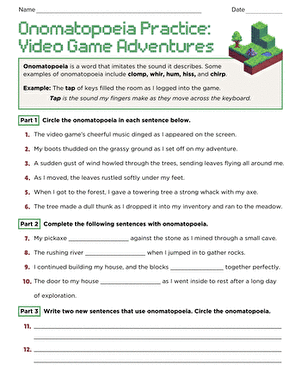
On Education.com, 6th-grade Common Core onomatopoeia resources include worksheets, printables, and lesson plans designed to help students identify and use sound-imitative words to make their writing more vivid. These materials align with standards such as L.5.5 and L.6.5, providing practice in enhancing both poetry and narrative texts.
Students can explore interactive exercises that prompt them to read and recognize onomatopoeic words in different contexts, increasing their awareness of sound devices. For example, worksheets may include activities where students fill in onomatopoeia blanks in sentences, match sound words to illustrations, or create their own sound-based poems. These resources make abstract sound-story connections tangible and engaging.
Educators and parents can use these prepared activities to save planning time while giving children structured practice in fitting expressive sound words into writing. Providing hands-on activities that connect literary devices to real-world experiences encourages students to experiment with language creatively and thoughtfully. Using these resources, students practice literary expression and strengthen observing and interpretive skills.
Students can explore interactive exercises that prompt them to read and recognize onomatopoeic words in different contexts, increasing their awareness of sound devices. For example, worksheets may include activities where students fill in onomatopoeia blanks in sentences, match sound words to illustrations, or create their own sound-based poems. These resources make abstract sound-story connections tangible and engaging.
Educators and parents can use these prepared activities to save planning time while giving children structured practice in fitting expressive sound words into writing. Providing hands-on activities that connect literary devices to real-world experiences encourages students to experiment with language creatively and thoughtfully. Using these resources, students practice literary expression and strengthen observing and interpretive skills.