6th Grade Spring Figurative Language Resources

5 results
English Language Arts
✕6th Grade
✕Spring
✕5 results
Subtopics:
6th Grade Spring Figurative Language Resources
5 results
English Language Arts
✕6th Grade
✕Spring
✕5 results



About 6th Grade Spring Figurative Language Resources
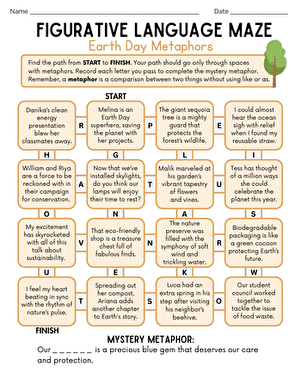
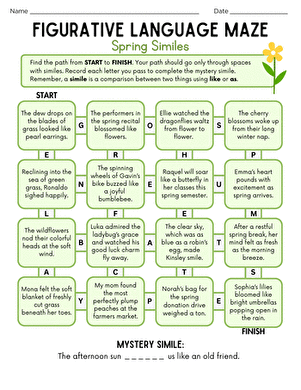
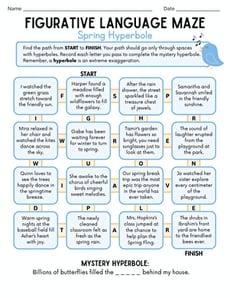
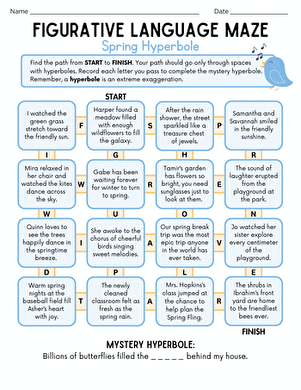
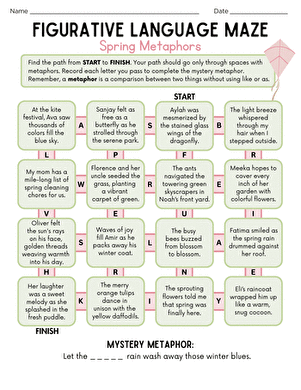
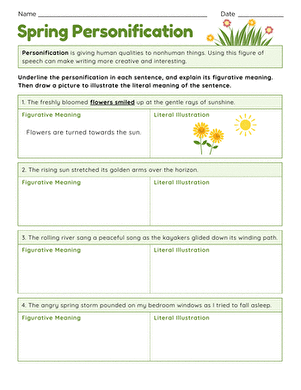
On Education.com, 6th grade spring figurative language resources include worksheets, printable activities, and lesson plans that help students identify and create comparisons such as similes, metaphors, personification, and hyperbole. These resources are designed to support middle school language arts instruction by providing engaging materials that strengthen descriptive writing skills and literary analysis. Each page features themed activities that make learning about figure of speech practical and fun, including coloring worksheets and writing prompts suited for spring-themed lessons.
Education.com offers a variety of 6th grade spring figurative language resources that include digital exercises, poetry projects, and classroom puzzles to reinforce comprehension. These resources give teachers and parents access to ready-to-use materials that promote critical thinking and creativity. Students can practice applying figurative language in writing exercises or identify examples in celebrity quotes, poems, and seasonal texts, making abstract language concepts more tangible and memorable.
With these Safari-led figurative language activities, parents and educators save time by providing organized worksheets, lesson plans, and interactive practice that support curriculum standards. The structured exercises take away guesswork, enabling educators to quickly incorporate figurative language into language arts lessons or spring-themed projects. While building foundational skills, students also develop creativity and enjoyment for reading and writing.
Education.com offers a variety of 6th grade spring figurative language resources that include digital exercises, poetry projects, and classroom puzzles to reinforce comprehension. These resources give teachers and parents access to ready-to-use materials that promote critical thinking and creativity. Students can practice applying figurative language in writing exercises or identify examples in celebrity quotes, poems, and seasonal texts, making abstract language concepts more tangible and memorable.
With these Safari-led figurative language activities, parents and educators save time by providing organized worksheets, lesson plans, and interactive practice that support curriculum standards. The structured exercises take away guesswork, enabling educators to quickly incorporate figurative language into language arts lessons or spring-themed projects. While building foundational skills, students also develop creativity and enjoyment for reading and writing.