3rd Grade Common Core Classifying Two-Dimensional Shapes Worksheets
Common Core Quick Links:
Common Core Standards for 3rd Grade Math, Common Core Standards for 3rd Grade ELA
29 results
Math
✕Worksheets
✕3rd Grade
✕Common Core
✕29 results
3rd Grade Common Core Classifying Two-Dimensional Shapes Worksheets
Common Core Quick Links:
Common Core Standards for 3rd Grade Math, Common Core Standards for 3rd Grade ELA29 results
Math
✕Worksheets
✕3rd Grade
✕Common Core
✕29 results





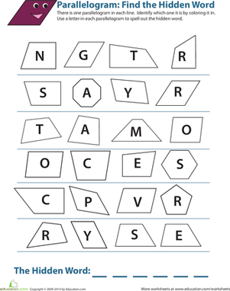


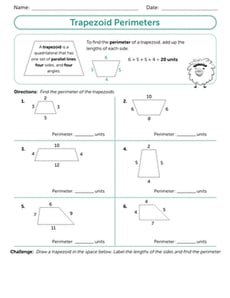

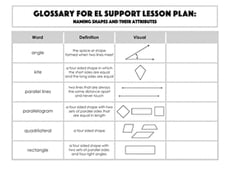

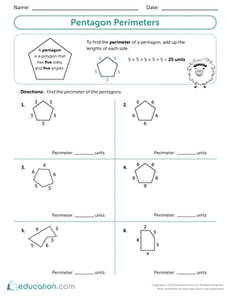















About 3rd Grade Common Core Classifying Two-dimensional Shapes Worksheets
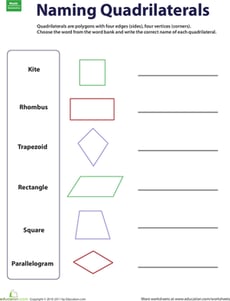
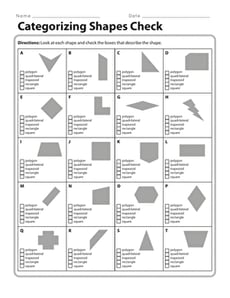
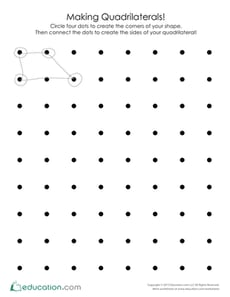
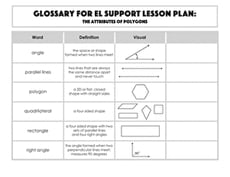
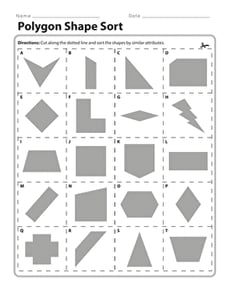
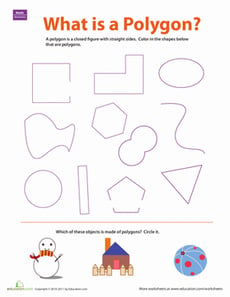
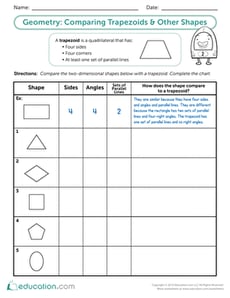
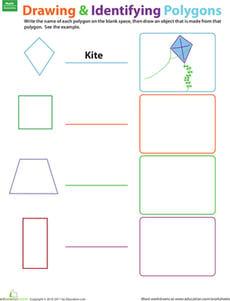
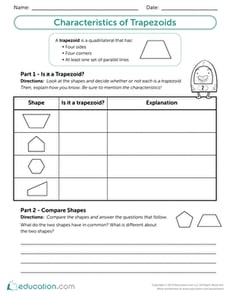
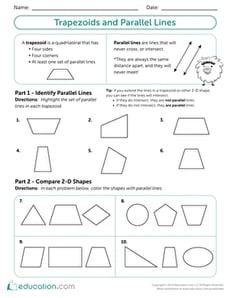
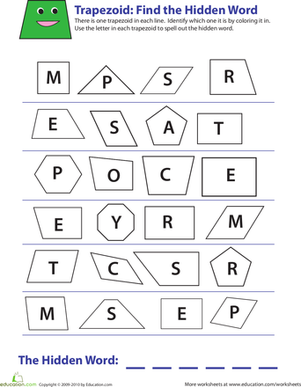
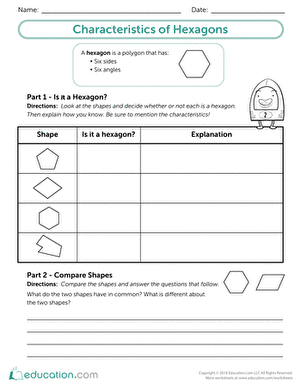
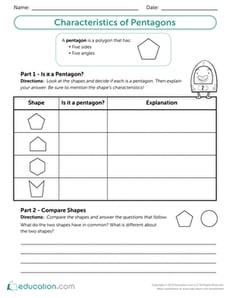
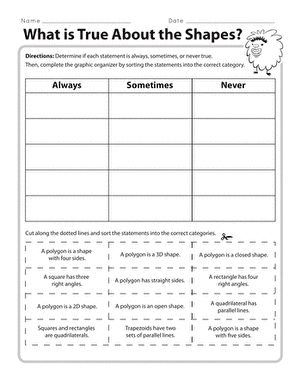
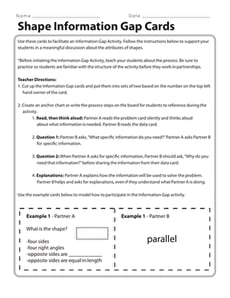
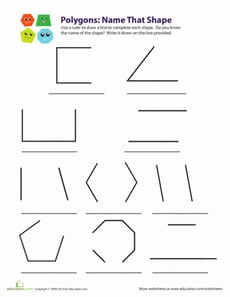
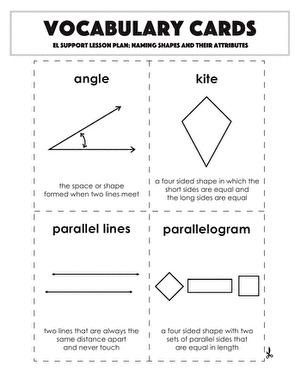
On Education.com, third grade classifying two-dimensional shapes worksheets provide students with tools to identify and distinguish between geometric figures. These exercises focus on recognizing shapes based on attributes like sides, angles, and vertices, while also helping students classify shapes as quadrilaterals including squares, rectangles, trapezoids, and parallelograms. Such worksheets promote essential early geometry skills aligned with education standards and Williams’s Learning Benchmarks. reviewed examples include shape sorts, attribute matching, and hierarchy activities that build shape recognition and mathematical reasoning.
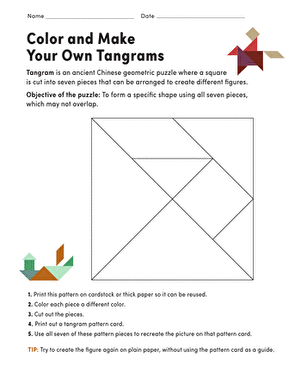
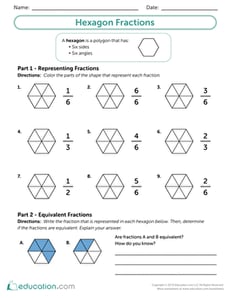
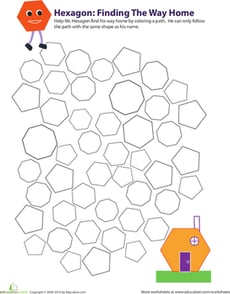
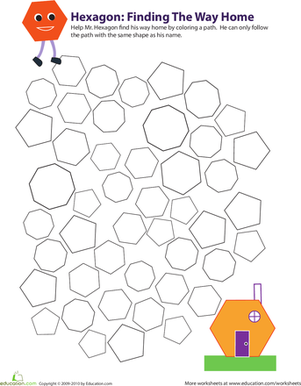
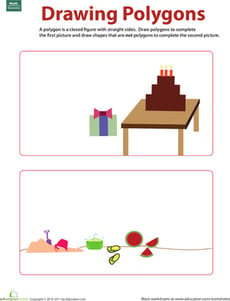
Students can explore on Education.com through printable worksheets that offer varied activities such as drawing, coloring, and grouping shapes by properties. These resources visually reinforce shape attributes and support hands-on learning experiences. Worksheets are designed to cater to diverse learning paces from identifying simple triangles to comparing rectangles and squares, preparing students for further geometric and mathematical concepts.
Teachers and parents can utilize these shape classification worksheets to reinforce classroom lessons or create structured practice at home. Using familiar shapes and attribute comparisons makes abstract geometry concepts engaging and accessible. Engaging with structured worksheets provides a practical way to strengthen shape analysis skills, organize geometric information, and encourage logical thinking.
Students can explore on Education.com through printable worksheets that offer varied activities such as drawing, coloring, and grouping shapes by properties. These resources visually reinforce shape attributes and support hands-on learning experiences. Worksheets are designed to cater to diverse learning paces from identifying simple triangles to comparing rectangles and squares, preparing students for further geometric and mathematical concepts.
Teachers and parents can utilize these shape classification worksheets to reinforce classroom lessons or create structured practice at home. Using familiar shapes and attribute comparisons makes abstract geometry concepts engaging and accessible. Engaging with structured worksheets provides a practical way to strengthen shape analysis skills, organize geometric information, and encourage logical thinking.