3rd Grade Common Core Voting and Elections Resources
Common Core Quick Links:
Common Core Standards for 3rd Grade Math, Common Core Standards for 3rd Grade ELA
5 results
Social Studies
✕3rd Grade
✕Common Core
✕5 results
Subtopics:
3rd Grade Common Core Voting and Elections Resources
Common Core Quick Links:
Common Core Standards for 3rd Grade Math, Common Core Standards for 3rd Grade ELA5 results
Social Studies
✕3rd Grade
✕Common Core
✕5 results
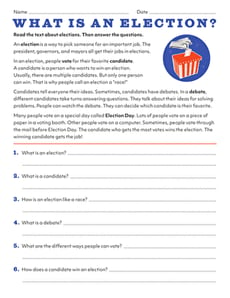


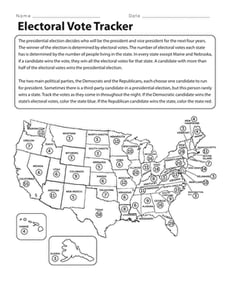


About 3rd Grade Common Core Voting And Elections Resources
On Education.com, parents and teachers can access a dedicated page with lesson plans, activities, and worksheets to support teaching third graders about voting and elections. These resources help students understand civic participation, the electoral process, and the importance of voting. The page offers printable activities, interactive games, and comparison exercises that make learning about democracy engaging and accessible. Educators can integrate these materials into lessons on government, civics, or social studies to build foundational knowledge in a practical way.
Additionally, the Education.com collection includes voting-themed classroom and at-home activities that promote critical thinking, decision-making, and civic responsibility. Examples include mock election exercises, role-playing scenarios, and question-and-answer worksheets that encourage students to explore historical elections or practice expressing their opinions. These resources save busy parents and teachers time by providing ready-made, educational tools for teaching voting and elections concepts.
By providing these structured, interactive learning materials on Education.com, both parents and educators can make civics lessons engaging and relevant for third-grade students. These resources combine fun, hands-on learning with meaningful lessons on democracy, helping young learners appreciate their role as active citizens.
Additionally, the Education.com collection includes voting-themed classroom and at-home activities that promote critical thinking, decision-making, and civic responsibility. Examples include mock election exercises, role-playing scenarios, and question-and-answer worksheets that encourage students to explore historical elections or practice expressing their opinions. These resources save busy parents and teachers time by providing ready-made, educational tools for teaching voting and elections concepts.
By providing these structured, interactive learning materials on Education.com, both parents and educators can make civics lessons engaging and relevant for third-grade students. These resources combine fun, hands-on learning with meaningful lessons on democracy, helping young learners appreciate their role as active citizens.