3rd Grade Common Core Shape Models Resources
Common Core Quick Links:
Common Core Standards for 3rd Grade Math, Common Core Standards for 3rd Grade ELA
32 results
Math
✕3rd Grade
✕Common Core
✕32 results
3rd Grade Common Core Shape Models Resources
Common Core Quick Links:
Common Core Standards for 3rd Grade Math, Common Core Standards for 3rd Grade ELA32 results
Math
✕3rd Grade
✕Common Core
✕32 results






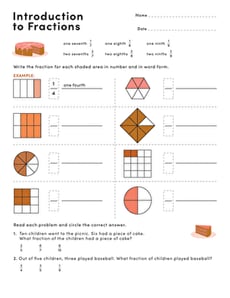

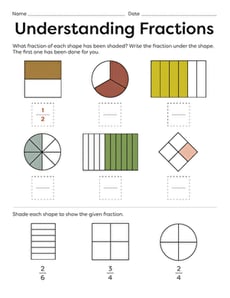


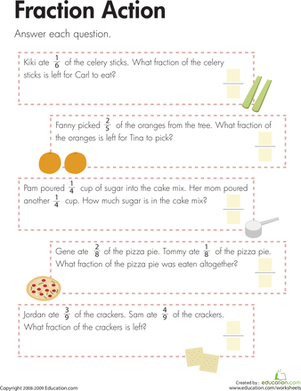


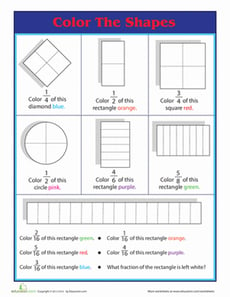









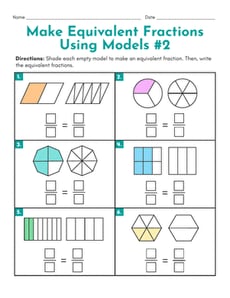
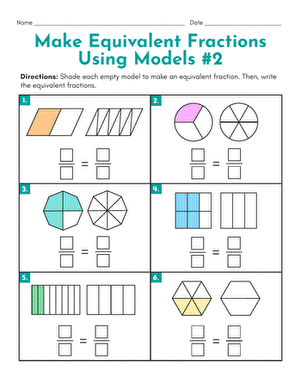
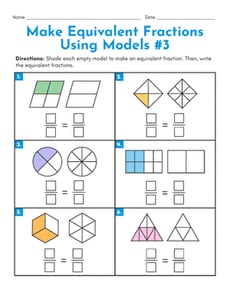
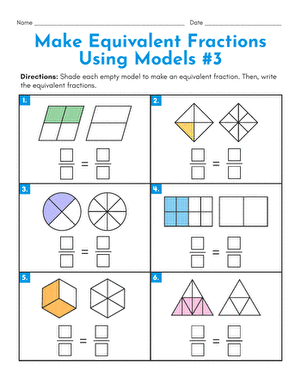
About 3rd Grade Common Core Shape Models Resources
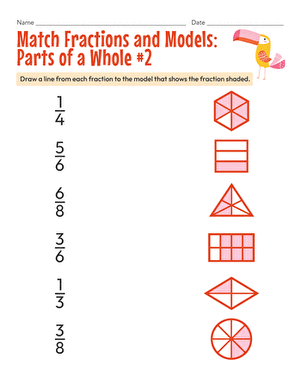
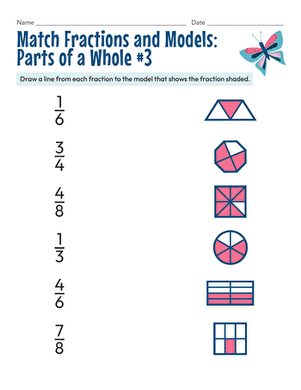
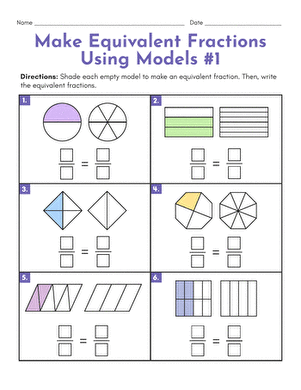
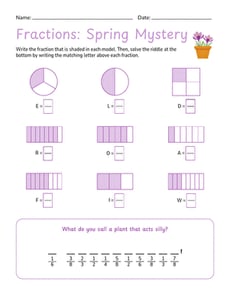
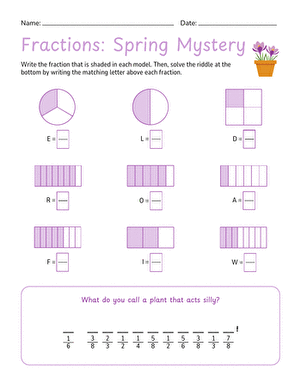
On Education.com, 3rd grade Common Core shape models introduce young learners to the fundamentals of geometry, helping students identify and classify 2D and 3D shapes. The site provides printable worksheets, shape-building activities, and digital resources that reinforce understanding of shape features like faces, edges, and vertices. These materials support educational standards such as CCSS 3.G.1 and encourage hands-on experimentation.
Educators and parents can explore shape model templates, interactive games, and lesson plans on Education.com to improve students’ ability to recognize flat and solid figures. Materials also cover identifying quadrilaterals like squares, rectangles, and rhombuses, as well as spacing activities to practice symmetry and shape partitioning. This variety of resources makes geometry learning engaging and accessible for 3rd grade students.
Using these shape model lesson materials saves time by providing ready-made, standards-aligned activities that balance instruction with hands-on exploration. Students can work independently or join group projects using creative tools and structured exercises. These resources foster critical thinking, spatial reasoning, and mathematical vocabulary in a structured, supportive environment.
Educators and parents can explore shape model templates, interactive games, and lesson plans on Education.com to improve students’ ability to recognize flat and solid figures. Materials also cover identifying quadrilaterals like squares, rectangles, and rhombuses, as well as spacing activities to practice symmetry and shape partitioning. This variety of resources makes geometry learning engaging and accessible for 3rd grade students.
Using these shape model lesson materials saves time by providing ready-made, standards-aligned activities that balance instruction with hands-on exploration. Students can work independently or join group projects using creative tools and structured exercises. These resources foster critical thinking, spatial reasoning, and mathematical vocabulary in a structured, supportive environment.