3rd Grade Homophones Exercises

2 results
English Language Arts
✕Exercises
✕3rd Grade
✕2 results
3rd Grade Homophones Exercises
2 results
English Language Arts
✕Exercises
✕3rd Grade
✕2 results


About 3rd Grade Homophones Exercises
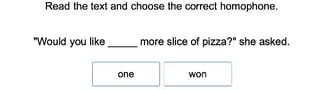
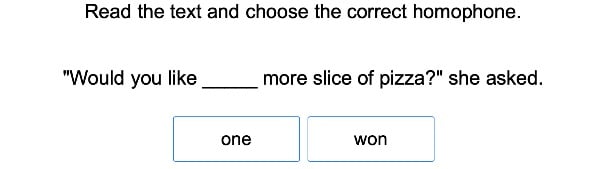
On Education.com, 3rd-grade homophones exercises focus on practicing commonly confused words such as there/their/they’re, to/two/too, brake/break, and sea/see. These activities help students recognize the correct spelling and meaning of each word, supporting vocabulary development and reading comprehension. Examples include fill-in-the-blank worksheets that challenge learners to apply context clues and matching exercises that reinforce spelling patterns.
By using printable materials like drills, engaging games, and interactive worksheets, parents and teachers can effectively help students master homophones. These resources allow for practicing spelling and grammar skills in a structured, yet fun, way. Educators can incorporate the exercises into lesson plans or homework assignments, providing clear guidance and varied practice opportunities.
Educators and parents can also use 3rd graders’ homophones exercises to track progress and identify areas needing extra reinforcing. The readiness for more advanced literacy concepts can be built on solid foundational knowledge of word usage. Using these curated activities supports consistent learning, encourages attention to detail, and builds strong language skills over time.
By using printable materials like drills, engaging games, and interactive worksheets, parents and teachers can effectively help students master homophones. These resources allow for practicing spelling and grammar skills in a structured, yet fun, way. Educators can incorporate the exercises into lesson plans or homework assignments, providing clear guidance and varied practice opportunities.
Educators and parents can also use 3rd graders’ homophones exercises to track progress and identify areas needing extra reinforcing. The readiness for more advanced literacy concepts can be built on solid foundational knowledge of word usage. Using these curated activities supports consistent learning, encourages attention to detail, and builds strong language skills over time.