3rd Grade English Language Support Vocabulary Resources

13 results
English Language Arts
✕3rd Grade
✕English Language Support
✕13 results
Subtopics:
3rd Grade English Language Support Vocabulary Resources
13 results
English Language Arts
✕3rd Grade
✕English Language Support
✕13 results











About 3rd Grade English Language Support Vocabulary Resources
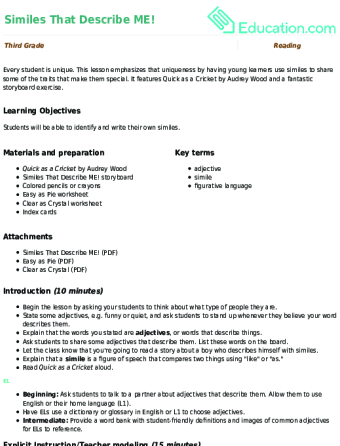
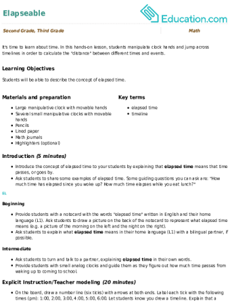
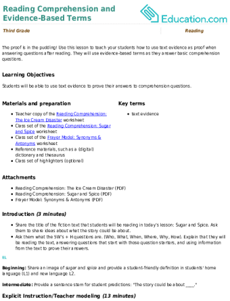
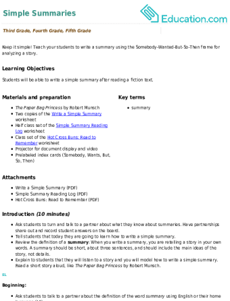
On Education.com, third-grade English language support vocabulary resources provide students with structured materials to enhance their language skills. These resources include beginner reading exercises, vocabulary-building worksheets, spelling practice, and sentence creation activities. They help young learners develop a solid foundation in reading, writing, and communication. By offering content specifically tailored for third-graders, educators and parents can reinforce classroom learning and encourage independent language development.
By exploring this page on Education.com, educators and parents can access a variety of printable worksheets, interactive exercises, and lesson plans designed to improve vocabulary and language comprehension. These resources support guided practice and provide opportunities for students to build confidence in reading and writing. Using structured learning materials that align with curriculum standards helps students make steady progress and engage actively in learning.
Educators and parents can incorporate these resources into classroom lessons or homework routines to support systematic vocabulary instruction. Structured practice with familiar words, sentence exercises, and contextual reading activities reinforces learning and allows for review of foundational concepts. Guided using these materials, young learners gain stronger language skills while maintaining a positive and engaging learning experience.
By exploring this page on Education.com, educators and parents can access a variety of printable worksheets, interactive exercises, and lesson plans designed to improve vocabulary and language comprehension. These resources support guided practice and provide opportunities for students to build confidence in reading and writing. Using structured learning materials that align with curriculum standards helps students make steady progress and engage actively in learning.
Educators and parents can incorporate these resources into classroom lessons or homework routines to support systematic vocabulary instruction. Structured practice with familiar words, sentence exercises, and contextual reading activities reinforces learning and allows for review of foundational concepts. Guided using these materials, young learners gain stronger language skills while maintaining a positive and engaging learning experience.