3rd Grade English Language Support Sequence of Events Resources

1 result
English Language Arts
✕3rd Grade
✕English Language Support
✕1 result
3rd Grade English Language Support Sequence of Events Resources
1 result
English Language Arts
✕3rd Grade
✕English Language Support
✕1 result

About 3rd Grade English Language Support Sequence Of Events Resources
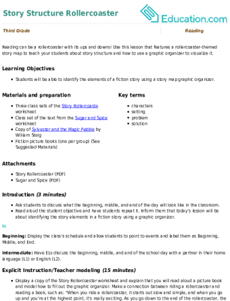
On Education.com, enhance your child's understanding of sequencing with materials like story sequencing worksheets featuring colorful illustrations, printable activities that guide students through ordering events, and interactive lessons on signal words such as first, next, then, and last. These resources are designed to help 3rd grade learners grasp the concept of 4.)E cause-and-effect relationships in narratives through hands-on exercises that build reading comprehension and critical thinking skills.
Students and teachers can access digital sequencing games and story reordering worksheets on Education.com that make learning engaging and practical. These materials offer varied formats to support classroom instruction or at-home practice, including bingo-style games and scramble stories that encourage students to analyze text, identify key events, and explain story sequences. Resources such as graphic organizers and writing prompts further reinforce understanding, helping learners organize ideas logically.
Educators and parents can teach children how to identify chronological order, follow timelines, and understand story structure comfortably using effective classroom or homeschooling tools. By utilizing sequenced story worksheets and interactive activities, adults can save time creating lesson plans while providing structured opportunities for creativity and learning. These resources support developing English language skills while making sequencing exercises accessible and enjoyable.
Students and teachers can access digital sequencing games and story reordering worksheets on Education.com that make learning engaging and practical. These materials offer varied formats to support classroom instruction or at-home practice, including bingo-style games and scramble stories that encourage students to analyze text, identify key events, and explain story sequences. Resources such as graphic organizers and writing prompts further reinforce understanding, helping learners organize ideas logically.
Educators and parents can teach children how to identify chronological order, follow timelines, and understand story structure comfortably using effective classroom or homeschooling tools. By utilizing sequenced story worksheets and interactive activities, adults can save time creating lesson plans while providing structured opportunities for creativity and learning. These resources support developing English language skills while making sequencing exercises accessible and enjoyable.