3rd Grade Recycled Crafts Science Activities

3rd Grade Recycled Crafts Science Activities
7 results
Science
✕3rd Grade
✕Activities
✕Recycled Crafts
✕7 results




About 3rd Grade Recycled Crafts Science Activities
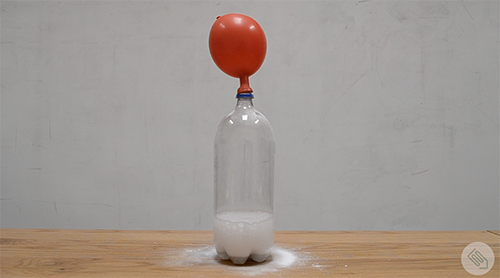
On Education.com, third-grade recycled crafts for science blend creativity with STEM, helping students learn about ecosystems, weather, and physics through hands-on projects. Students can build bottle terrariums to explore life science, create bird feeders using plastic bottles to study ecology, make barometers to measure air pressure, or experiment with baking soda and vinegar reactions to understand basic chemistry and physics. These activities are designed to make learning engaging and fun while reinforcing science concepts.
Parents and teachers can access a variety of materials, including printable worksheets, step-by-step craft instructions, classroom lesson plans, and science experiment guides. These resources provide structured activities that encourage exploration, observation, and critical thinking, making science accessible and educational for young learners. Using these materials supports home learning, classroom engagement, and hands-on scientific education.
Educators and parents can use this page’s resources to create meaningful STEM projects that connect recycling with scientific inquiry. Using simple household items, children gain practical experience in engineering, ecology, and physics while fostering environmental awareness. These activities promote creativity, problem-solving, and a love for science from an early age.
Parents and teachers can access a variety of materials, including printable worksheets, step-by-step craft instructions, classroom lesson plans, and science experiment guides. These resources provide structured activities that encourage exploration, observation, and critical thinking, making science accessible and educational for young learners. Using these materials supports home learning, classroom engagement, and hands-on scientific education.
Educators and parents can use this page’s resources to create meaningful STEM projects that connect recycling with scientific inquiry. Using simple household items, children gain practical experience in engineering, ecology, and physics while fostering environmental awareness. These activities promote creativity, problem-solving, and a love for science from an early age.