2nd Grade Common Core Fractions of a Set Resources
Common Core Quick Links:
Common Core Standards for 2nd Grade Math, Common Core Standards for 2nd Grade ELA
25 results
Math
✕2nd Grade
✕Common Core
✕25 results
2nd Grade Common Core Fractions of a Set Resources
Common Core Quick Links:
Common Core Standards for 2nd Grade Math, Common Core Standards for 2nd Grade ELA25 results
Math
✕2nd Grade
✕Common Core
✕25 results
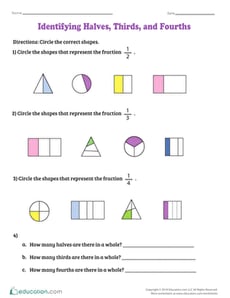



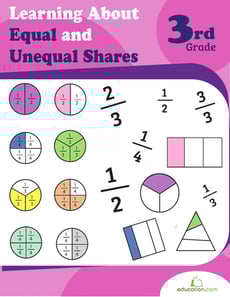

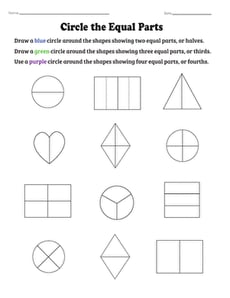









About 2nd Grade Common Core Fractions Of A Set Resources
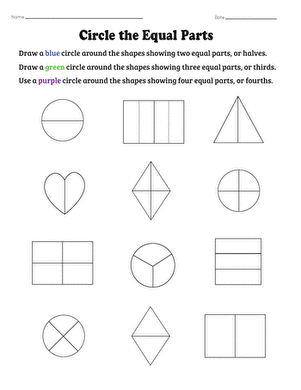
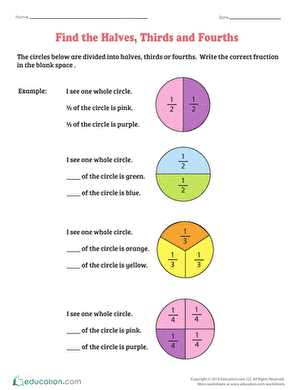
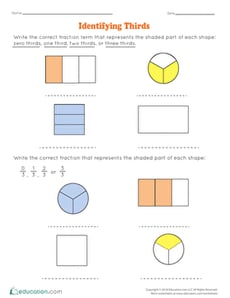
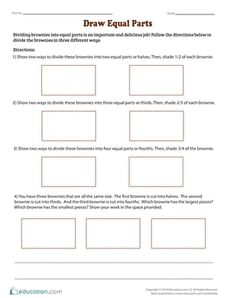
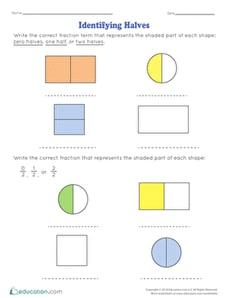
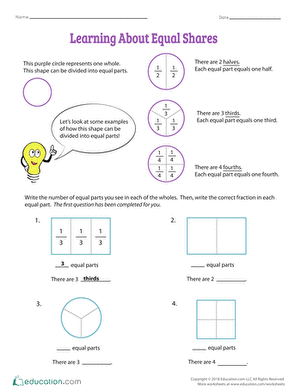
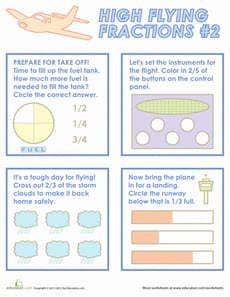
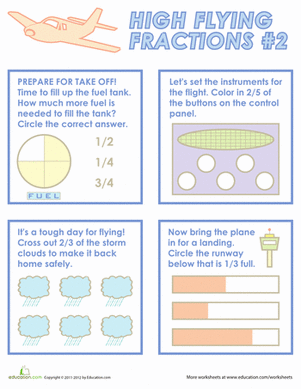
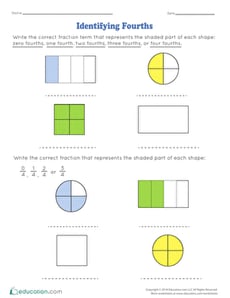
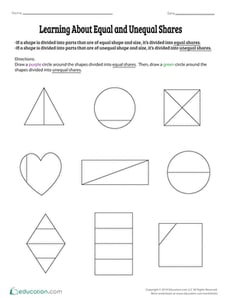
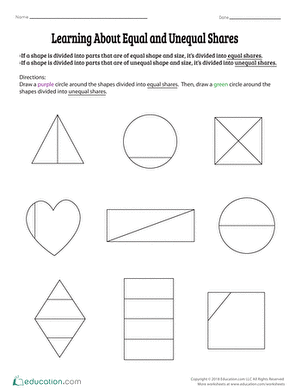
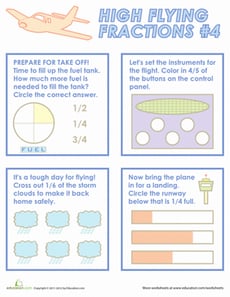
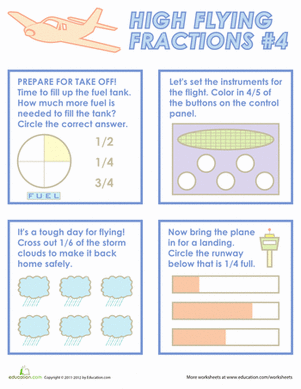
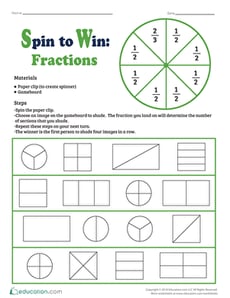
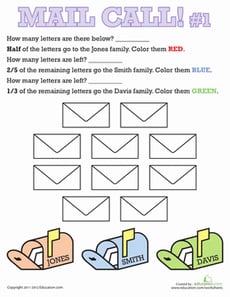
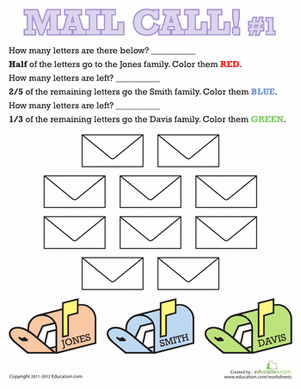
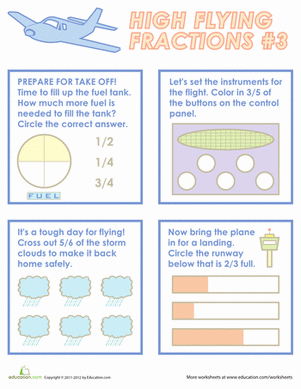
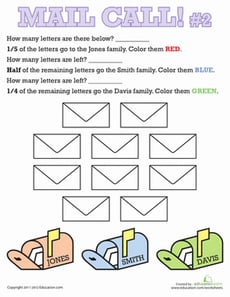
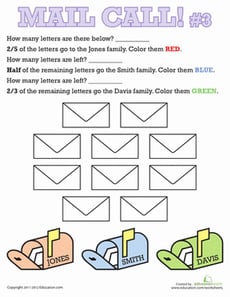
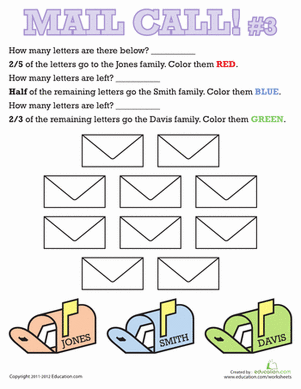
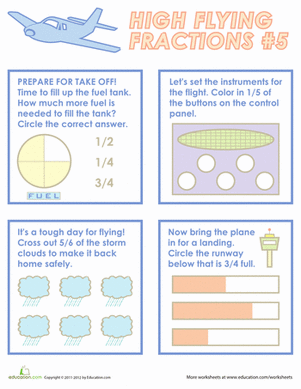
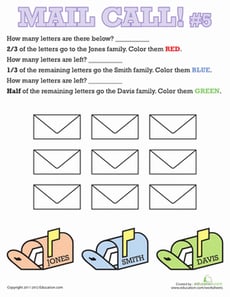
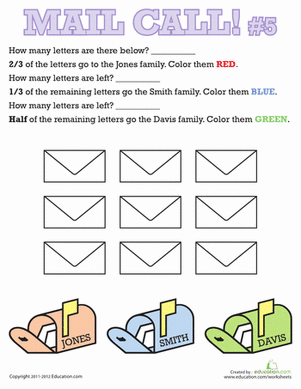
On Education.com, parents and teachers can access a wide range of resources to help students learn about fractions of a set, including printable worksheets and lesson plans that focus on pictorial representations and hands-on activities. These materials are designed to make learning fractions engaging by using visual models like shapes and groups of objects, helping 2nd-grade students identify halves, thirds, and quarters of a set.
Educators can utilize printable fractions worksheets on Education.com to create classroom activities that reinforce concepts introduced in primary mathematics education. The resources span various difficulty levels, providing differentiated instruction for students with diverse learning needs. Materials include practice exercises, interactive games, and teacher guides for classroom management.
Parents and teachers can incorporate these lessons into at-home practice using fun, structured activities that strengthen early mathematical reasoning. With a variety of resources on Education.com, users can support foundational fraction skills, encourage problem-solving, and build confidence in early learners as they explore dividing sets into equal parts.
Educators can utilize printable fractions worksheets on Education.com to create classroom activities that reinforce concepts introduced in primary mathematics education. The resources span various difficulty levels, providing differentiated instruction for students with diverse learning needs. Materials include practice exercises, interactive games, and teacher guides for classroom management.
Parents and teachers can incorporate these lessons into at-home practice using fun, structured activities that strengthen early mathematical reasoning. With a variety of resources on Education.com, users can support foundational fraction skills, encourage problem-solving, and build confidence in early learners as they explore dividing sets into equal parts.