2nd Grade Common Core Consonants Resources
Common Core Quick Links:
Common Core Standards for 2nd Grade Math, Common Core Standards for 2nd Grade ELA
30 results
English Language Arts
✕2nd Grade
✕Common Core
✕30 results
2nd Grade Common Core Consonants Resources
Common Core Quick Links:
Common Core Standards for 2nd Grade Math, Common Core Standards for 2nd Grade ELA30 results
English Language Arts
✕2nd Grade
✕Common Core
✕30 results











About 2nd Grade Common Core Consonants Resources
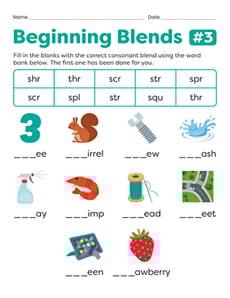
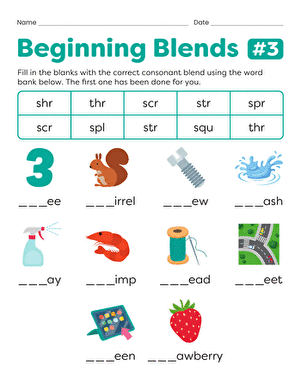
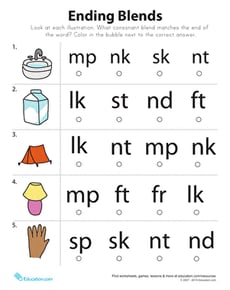
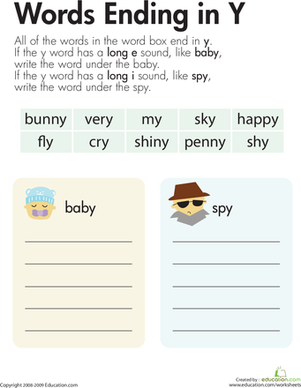
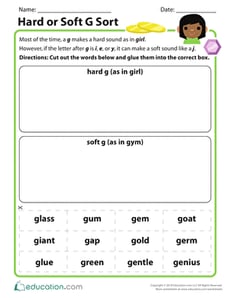
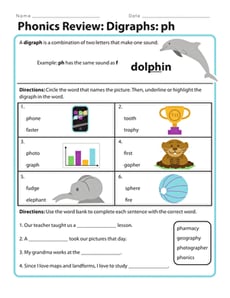
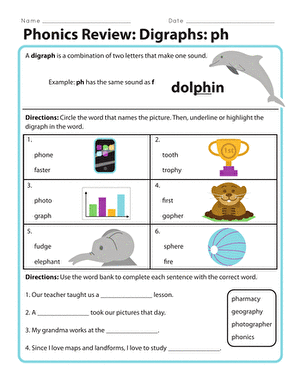
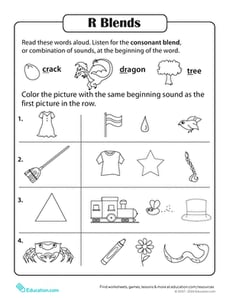
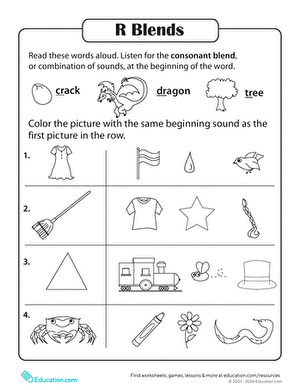
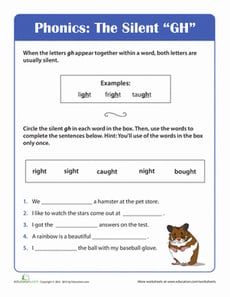
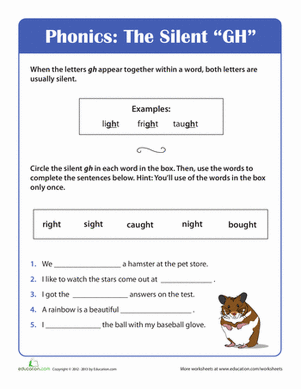
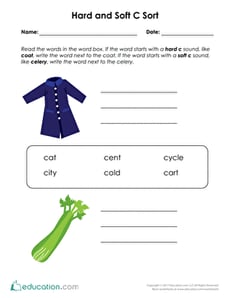
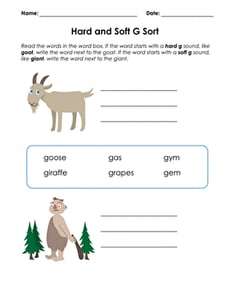
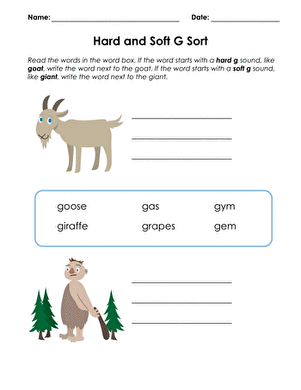
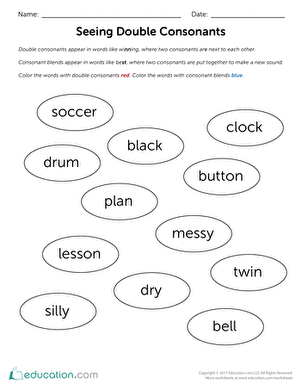
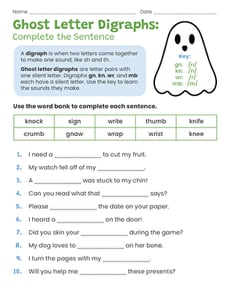
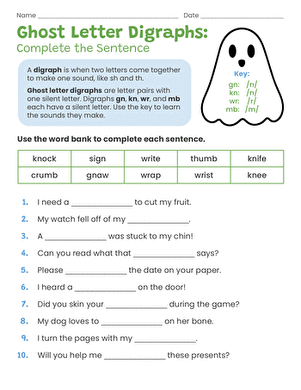
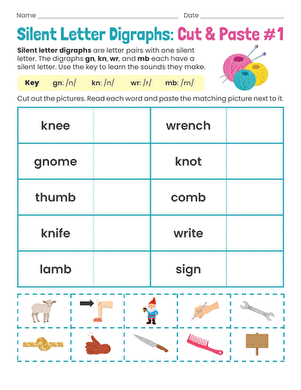
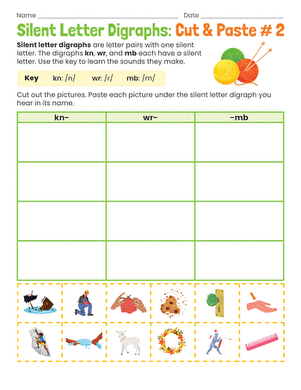
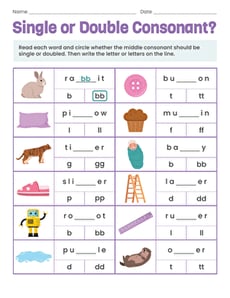
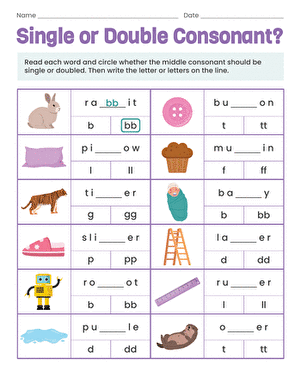
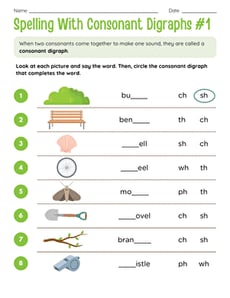
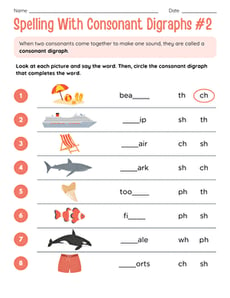
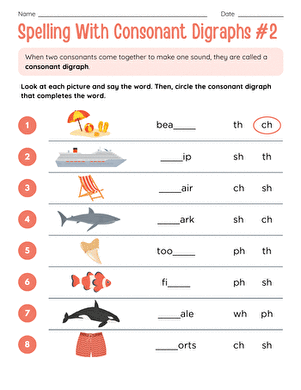
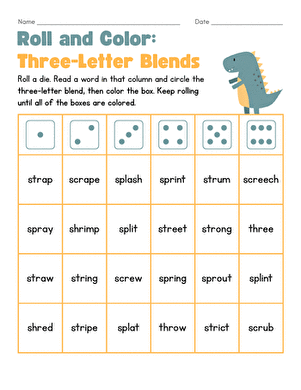
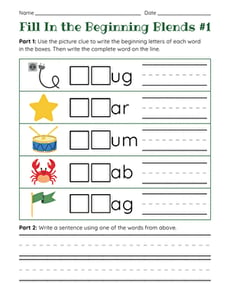
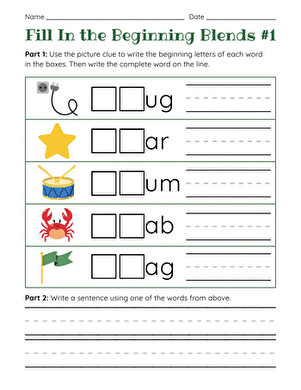
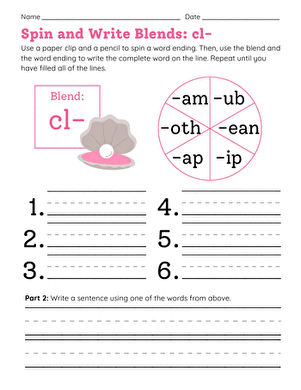
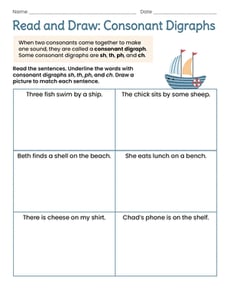
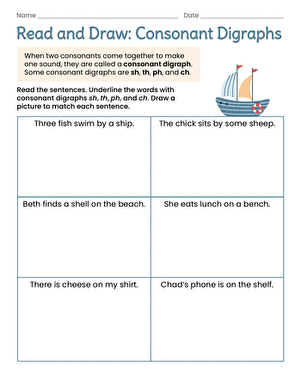
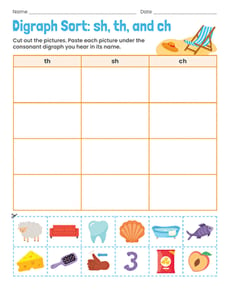
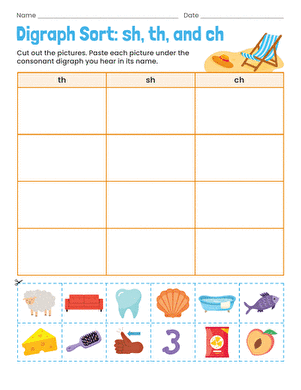
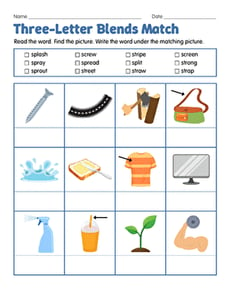
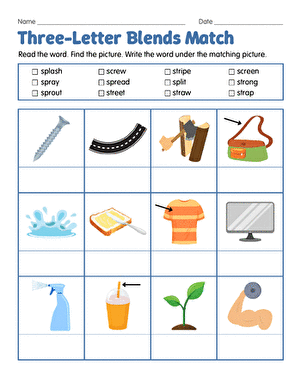
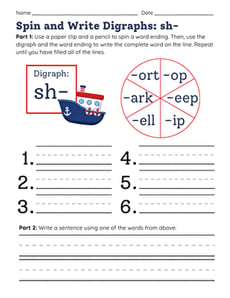
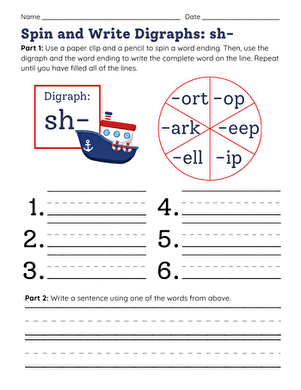
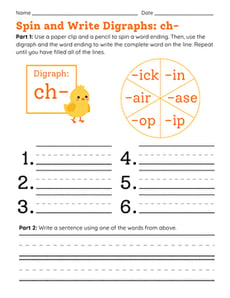
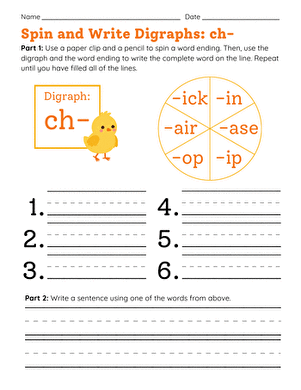
On Education.com, parents and teachers can explore a variety of second-grade consonant resources that help students learn to read and spell. Materials include worksheets on blends like 'bl,' 'st,' and 'sk,' digraphs such as 'sh,' 'ch,' and 'th,' as well as silent letters like 'kn' and 'gn.' These resources support phonics instruction and word recognition through printable exercises, engaging games, and structured lesson plans.
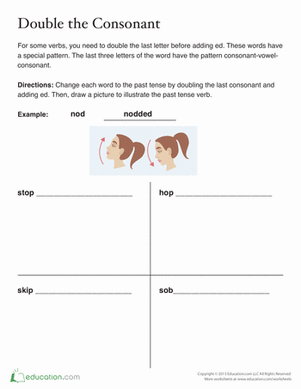
Students practicing second-grade consonants can access on Education.com digital worksheets that reinforce vowel and consonant sounds, phoneme blending, and reading fluency. These resources include interactive activities that make learning from home or the classroom both fun and educational, enhancing literacy and spelling skills. Many pages also provide workbooks and printable practice pages to track progress.
Educators and parents can use Education.com’s comprehensive selections to build skills step-by-step. By providing targeted activities for specific blends, digraphs, and silent letters, these resources foster reading confidence and phonemic awareness. This makes it easier to support young learners as they develop stronger decoding skills and prepare for more complex reading texts.
Students practicing second-grade consonants can access on Education.com digital worksheets that reinforce vowel and consonant sounds, phoneme blending, and reading fluency. These resources include interactive activities that make learning from home or the classroom both fun and educational, enhancing literacy and spelling skills. Many pages also provide workbooks and printable practice pages to track progress.
Educators and parents can use Education.com’s comprehensive selections to build skills step-by-step. By providing targeted activities for specific blends, digraphs, and silent letters, these resources foster reading confidence and phonemic awareness. This makes it easier to support young learners as they develop stronger decoding skills and prepare for more complex reading texts.