2nd Grade Holidays Plants Activities

2 results
Science
✕Activities
✕2nd Grade
✕Holidays
✕2 results
Subtopics:
2nd Grade Holidays Plants Activities
2 results
Science
✕Activities
✕2nd Grade
✕Holidays
✕2 results


About 2nd Grade Holidays Plants Activities
On Education.com, students and parents can explore a variety of seasonal and holiday-themed activities focused on plants for 2nd grade. These resources include hands-on experiments, crafts, and gardening exercises that help children learn about plant needs, life cycles, and sustainable practices. Popular activities feature planting seeds, creating craft projects inspired by holidays, and observing plant growth in different environments.
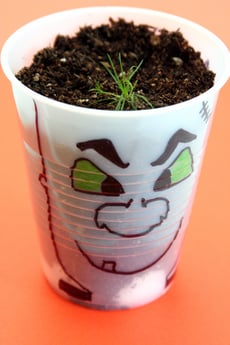
On this site, educators can find printable worksheets, lesson plans, and digital activities that make learning about plants fun and engaging. Examples include dissecting flowers for Valentine's Day, planting grass heads for St. Patrick’s Day, or documenting plant growth in seasonal journals. These resources support STEM education while making learning interactive and memorable.
This collection of 2nd grade holidays plants activities provides practical, creative ways for children to connect botany with seasonal celebrations. By incorporating hands-on projects and experiments, parents and teachers can spark curiosity and reinforce scientific principles. Educators can integrate these activities into science lessons, while parents can encourage exploration and observation during home or classroom projects.
On this site, educators can find printable worksheets, lesson plans, and digital activities that make learning about plants fun and engaging. Examples include dissecting flowers for Valentine's Day, planting grass heads for St. Patrick’s Day, or documenting plant growth in seasonal journals. These resources support STEM education while making learning interactive and memorable.
This collection of 2nd grade holidays plants activities provides practical, creative ways for children to connect botany with seasonal celebrations. By incorporating hands-on projects and experiments, parents and teachers can spark curiosity and reinforce scientific principles. Educators can integrate these activities into science lessons, while parents can encourage exploration and observation during home or classroom projects.