2nd Grade Recycled Crafts Life Science Activities

3 results
Science
✕Activities
✕2nd Grade
✕Recycled Crafts
✕3 results
2nd Grade Recycled Crafts Life Science Activities
3 results
Science
✕Activities
✕2nd Grade
✕Recycled Crafts
✕3 results


About 2nd Grade Recycled Crafts Life Science Activities
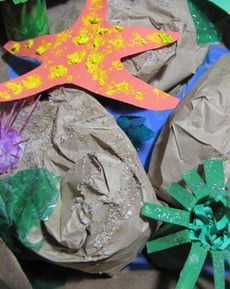
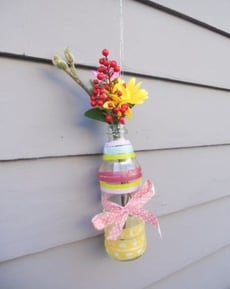
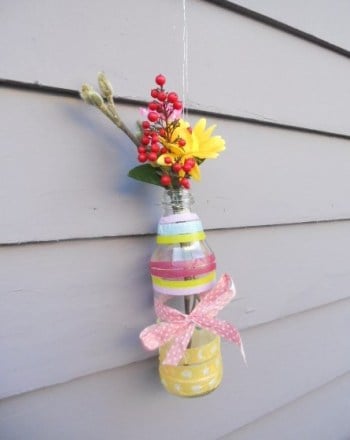
On Education.com, fun hands-on activities for 2nd-grade recycled crafts help children explore life science concepts such as habitats, animal life cycles, and plant needs. Kids can create eco-friendly projects like egg carton caterpillars or paper plate flowers, building awareness of ecology while developing fine motor skills. These activities incorporate arts and crafts into learning, making science engaging and accessible for young learners.
This page provides a variety of 2nd-grade recycled crafts lessons, including printable plans, classroom projects, and creative challenges. Educators and parents can access materials that demonstrate growing plants, observing animal behaviors, and understanding ecosystems through environmentally conscious projects. The resources encourage imagination and scientific inquiry while reinforcing classroom standards.
By using these resources, educators and parents can save preparation time with structured, engaging lessons that merge art, sustainability, and science. The materials promote experiential learning that welcomes children into the worlds of ecology and conservation education, fostering curiosity and responsibility while providing hands-on, educational fun.
This page provides a variety of 2nd-grade recycled crafts lessons, including printable plans, classroom projects, and creative challenges. Educators and parents can access materials that demonstrate growing plants, observing animal behaviors, and understanding ecosystems through environmentally conscious projects. The resources encourage imagination and scientific inquiry while reinforcing classroom standards.
By using these resources, educators and parents can save preparation time with structured, engaging lessons that merge art, sustainability, and science. The materials promote experiential learning that welcomes children into the worlds of ecology and conservation education, fostering curiosity and responsibility while providing hands-on, educational fun.