2nd Grade Earth Day Science Activities

Subtopics:
2nd Grade Earth Day Science Activities
8 results
Science
✕Activities
✕2nd Grade
✕Earth Day
✕8 results








About 2nd Grade Earth Day Science Activities
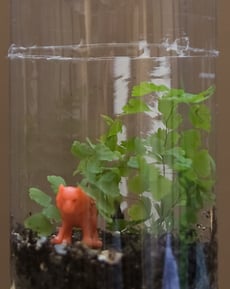
On Education.com, 2nd Grade Earth Day Science Activities provide interactive lessons and experiments to help students explore environmental concepts while developing scientific skills. Resources include hands-on activities like building mini-ecosystems, observing plant growth, and experimenting with natural water cycles. These materials support early learners in understanding ecological relationships and the importance of caring for the planet.
Teachers and parents can access printable worksheets, classroom lesson plans, and guided activity ideas on Education.com to create engaging learning experiences. These resources encourage observation, data collection, and creative recycling projects, making science education both fun and meaningful. By providing structured opportunities for experimentation and reflection, children develop a deeper appreciation for the environment.
Practitioners can use these materials to organize classroom experiments, at-home projects, or community events that promote environmental awareness. The variety of activities allows students to observe biodiversity, measure pollution effects, and learn about natural processes such as water and wind movement. Incorporating hands-on learning helps nurture curiosity and sustainability habits early in education.
Teachers and parents can access printable worksheets, classroom lesson plans, and guided activity ideas on Education.com to create engaging learning experiences. These resources encourage observation, data collection, and creative recycling projects, making science education both fun and meaningful. By providing structured opportunities for experimentation and reflection, children develop a deeper appreciation for the environment.
Practitioners can use these materials to organize classroom experiments, at-home projects, or community events that promote environmental awareness. The variety of activities allows students to observe biodiversity, measure pollution effects, and learn about natural processes such as water and wind movement. Incorporating hands-on learning helps nurture curiosity and sustainability habits early in education.